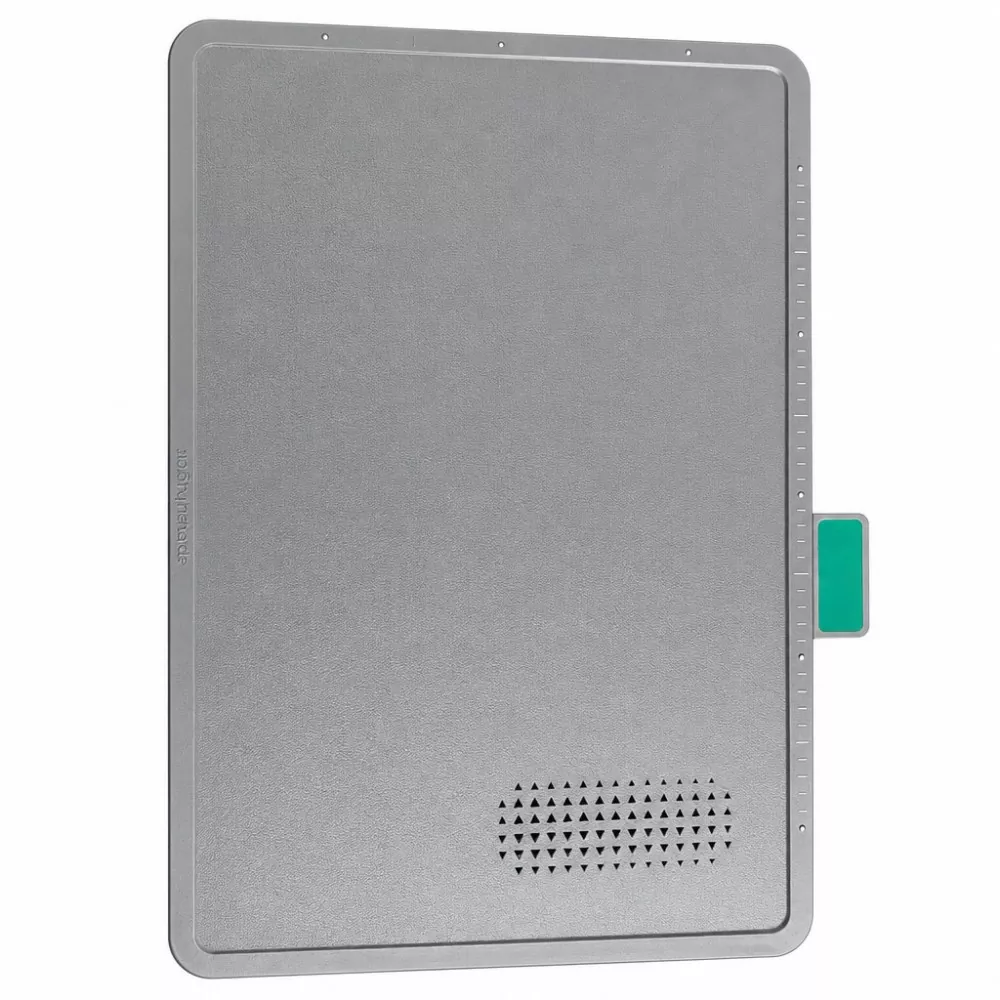
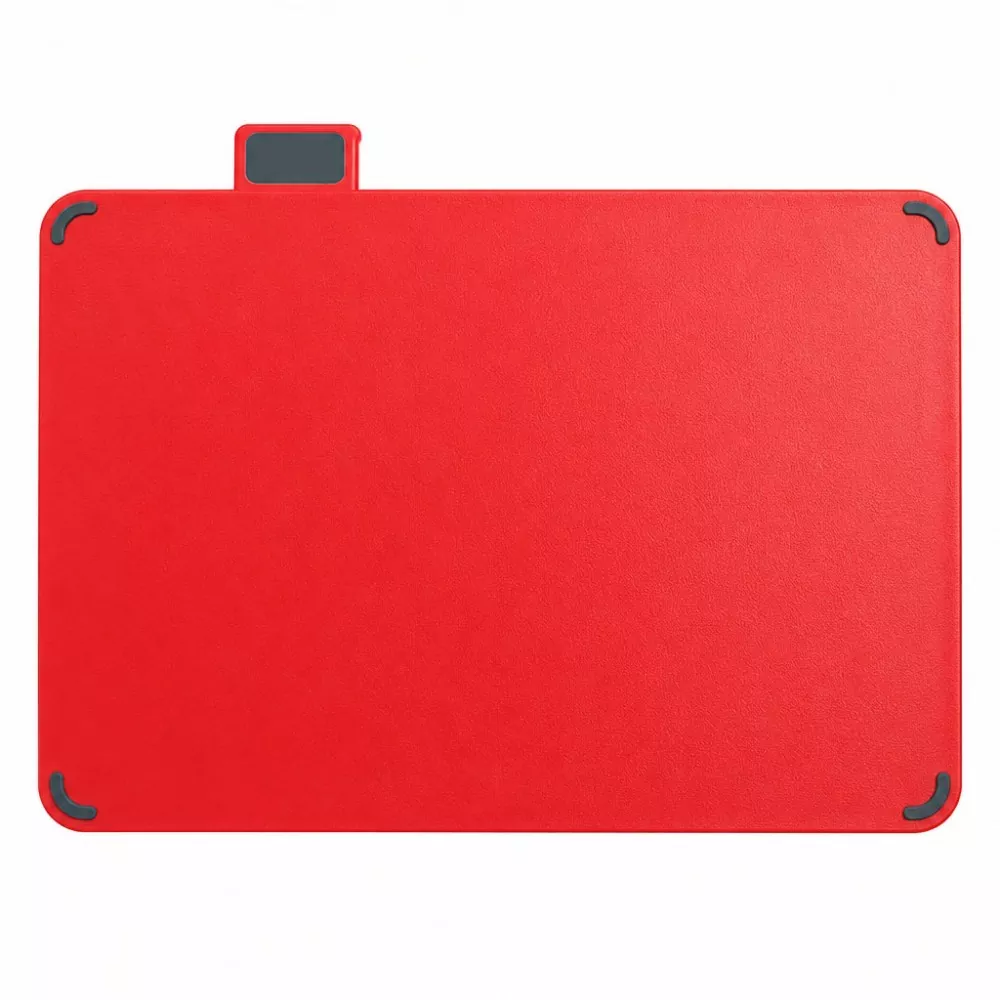
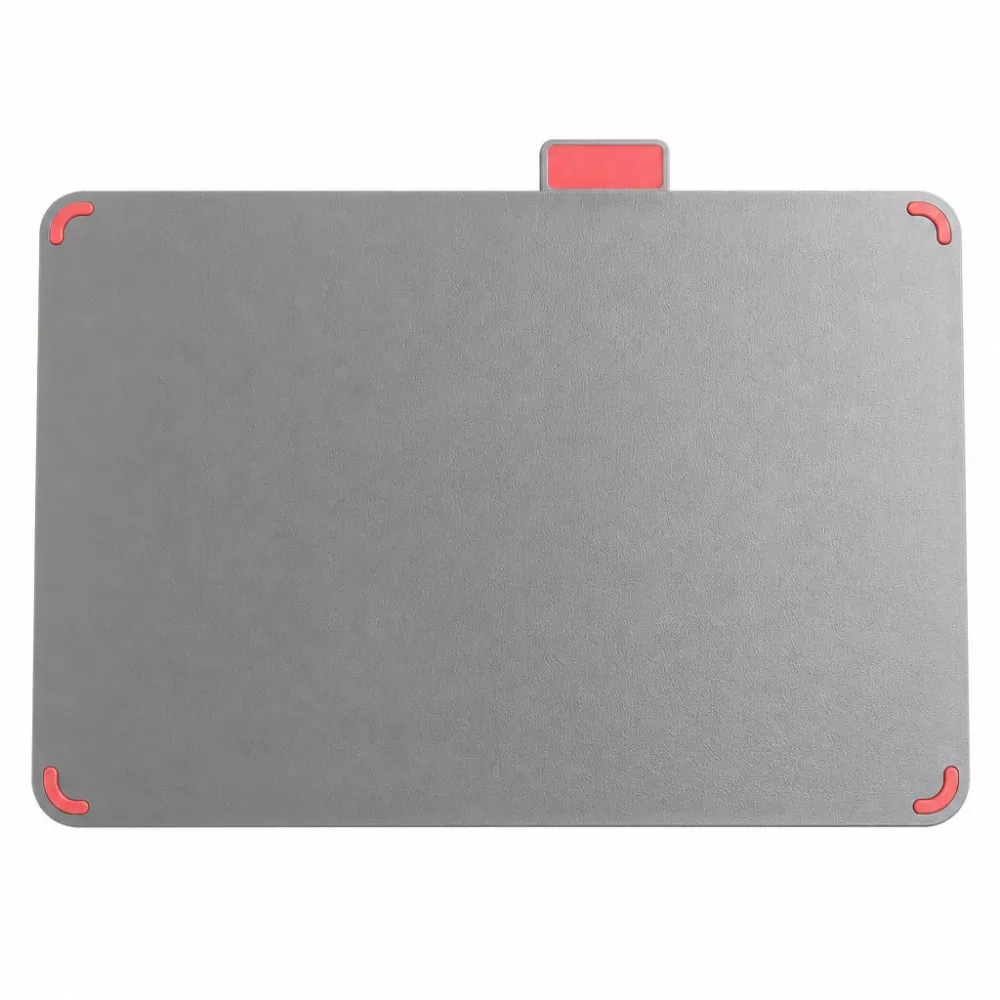
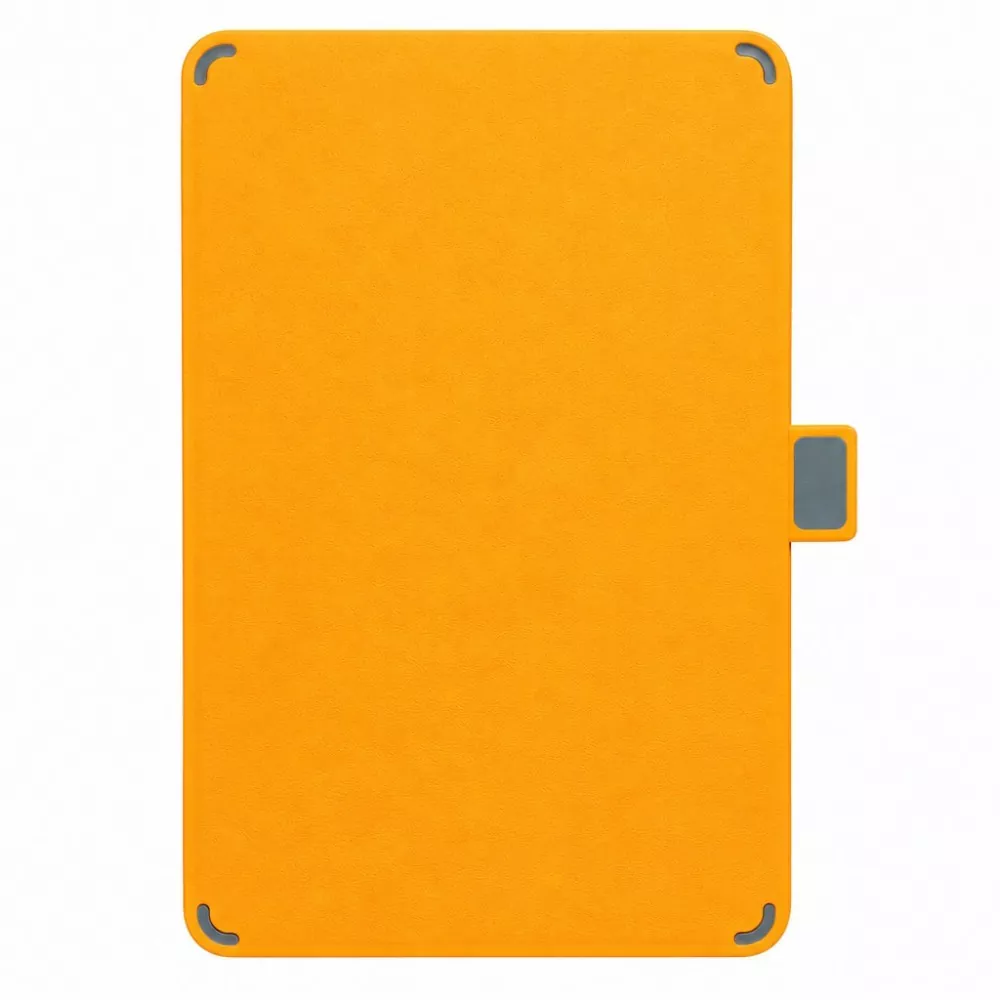
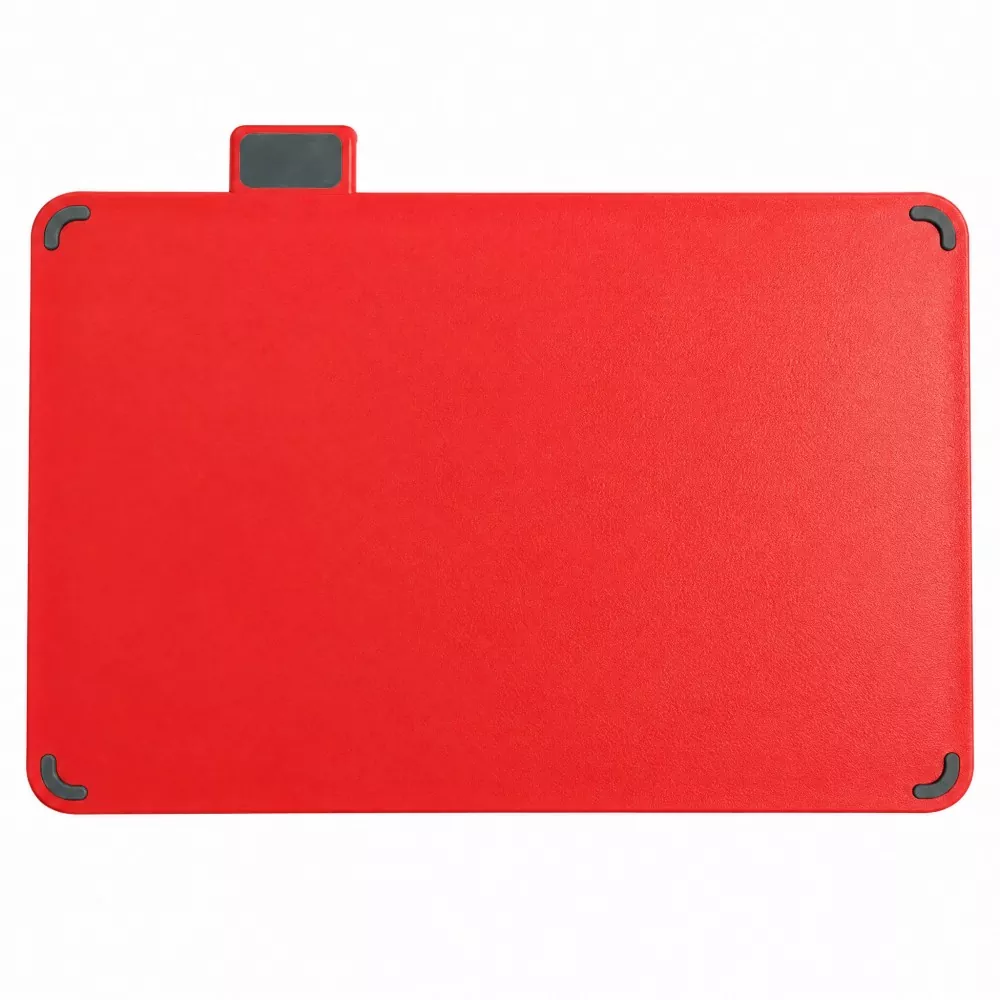
The Food-Grade Antibacterial Plastic Cutting Board offered by Shunxin factory from China is made from food-grade PP or PE materials. PE material provides a softer cutting feel and better knife protection, while PP material offers balanced hardness and better heat resistance (up to 100℃). Silver ion antibacterial ingredients are added to effectively inhibit common bacteria such as E. coli and Staphylococcus aureus. The dense and smooth surface is resistant to water and oil absorption, making it easy to clean with water. Anti-slip patterns can be added to the surface, while a surrounding juice groove helps prevent liquid overflow. Sizes and thicknesses can be customized according to different kitchen applications.
Effective Silver Ion Antibacterial Performance – Added nano silver ion antibacterial ingredients help inhibit common bacteria such as E. coli and Staphylococcus aureus.
Food-Grade Safe Material – Made of food-grade PP/PE materials, compliant with food contact safety standards, non-toxic and odorless, suitable for direct contact with various foods.
Non-Porous Surface for Reduced Bacterial Growth – The dense and smooth surface does not easily absorb water or oil, reducing conditions for bacterial accumulation.
Easy Cleaning Without Residue – The surface does not retain grease or food particles, allowing quick cleaning with water for convenient maintenance.
Anti-Slip and Stable Design – Surface anti-slip texture improves stability during cutting and enhances operating safety.
Durable and Deformation Resistant – Stable material properties prevent warping and deformation, maintaining flatness during long-term use.
Knife-Friendly Surface – PE material provides good flexibility, reducing blade damage and helping extend knife service life.
Flexible Customization Options – Size, thickness, and color can be customized according to kitchen application requirements.
The Food-Grade Antibacterial Plastic Cutting Board is suitable for cutting vegetables, fruits, cooked food, and fresh meat in household kitchens.
Supports separate cutting of raw meat and fruits or cooked food to help reduce cross-contamination risks.
Food-grade materials are safe and non-toxic, suitable for preparing delicate baby food.
Lightweight, portable, and easy to clean, suitable for outdoor food preparation.
Suitable for restaurants, catering kitchens, and cafeterias with high hygiene requirements.
Designed for fruit preparation, helping avoid cross-contact with meat and other ingredients.
Typical Industries: Home kitchens, commercial catering, baby products, outdoor products, supermarket retail.
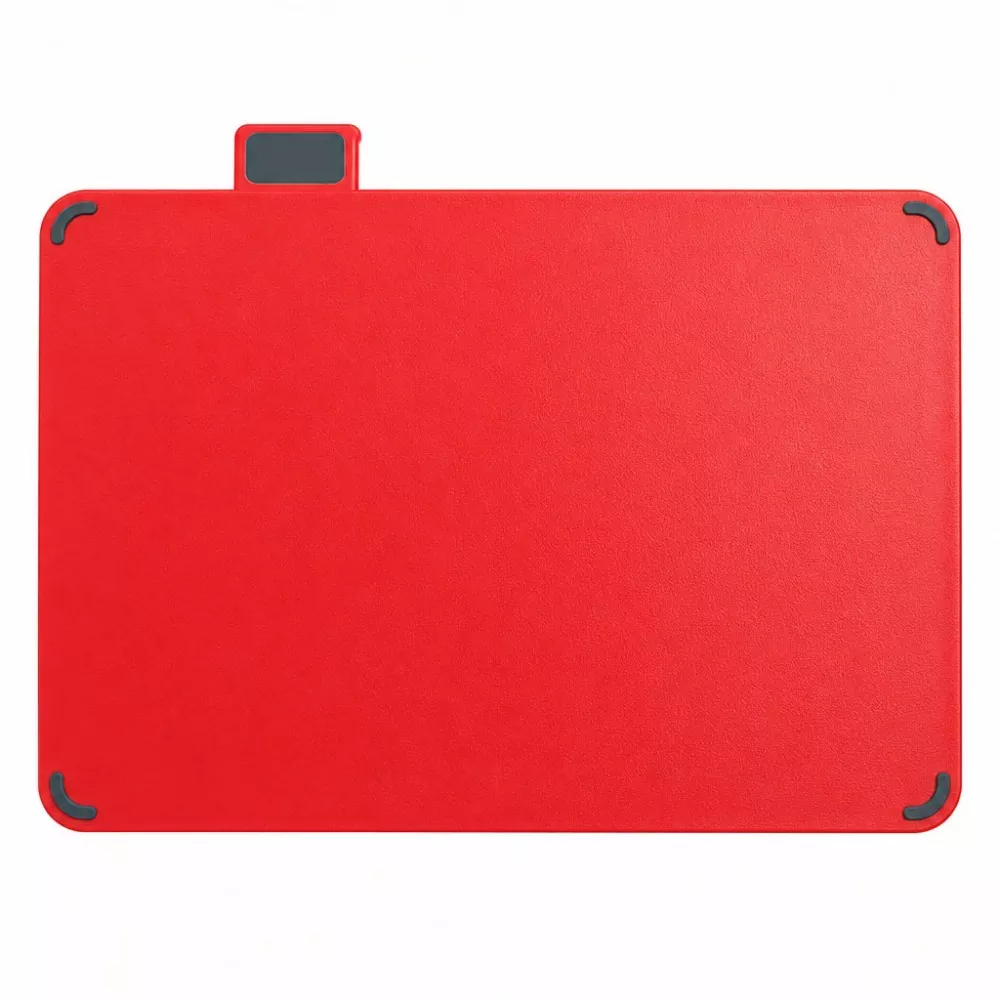
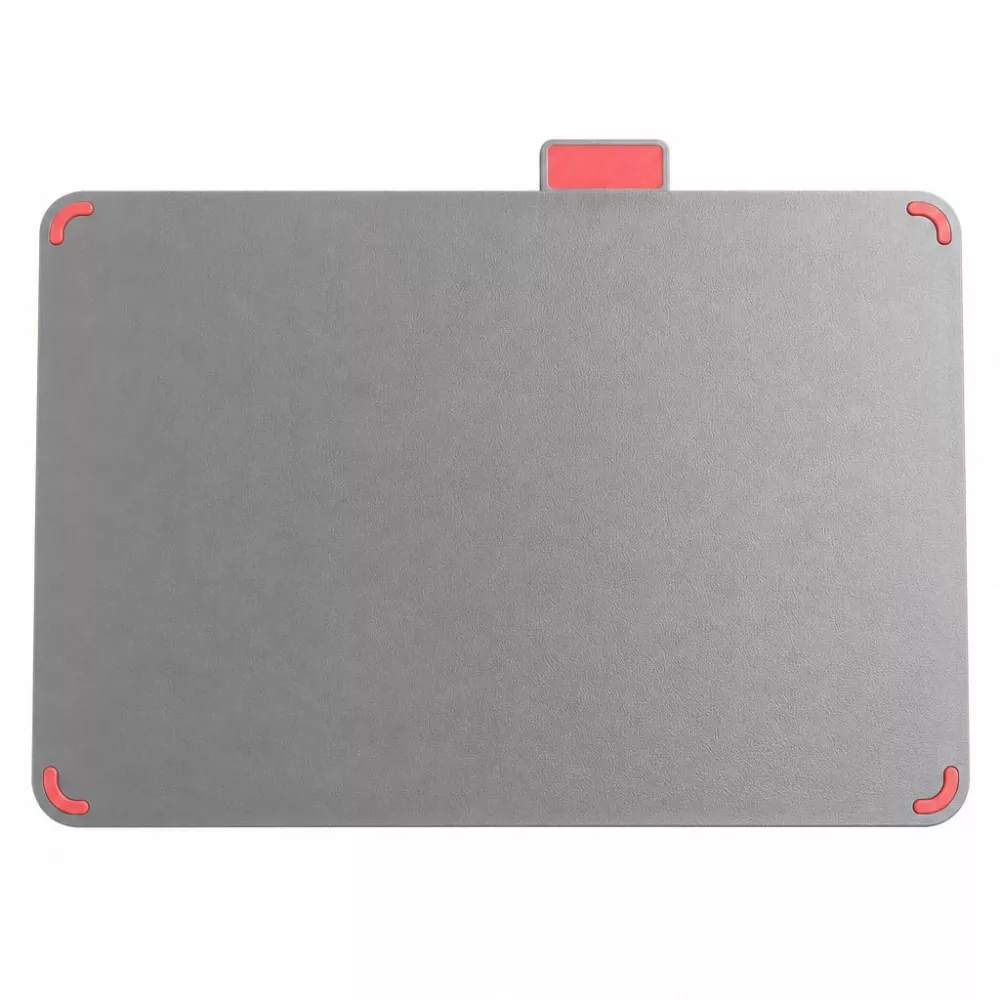
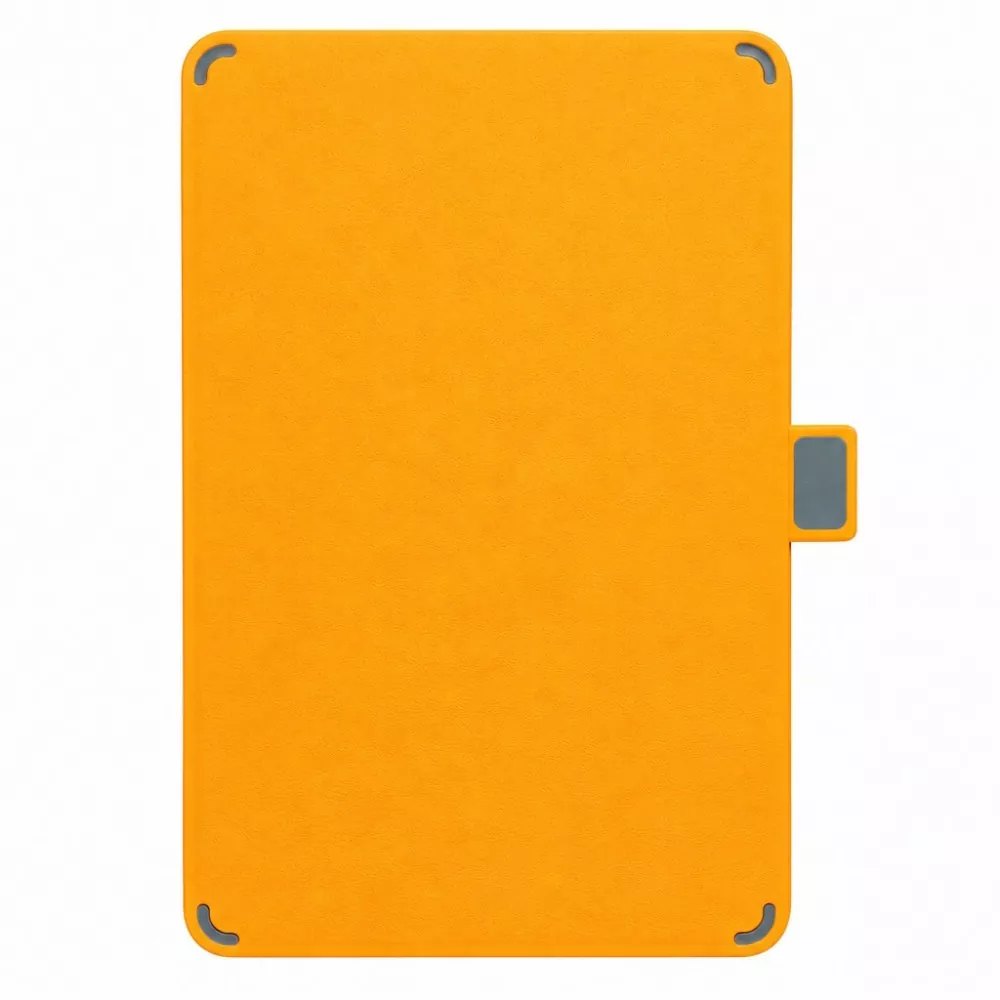
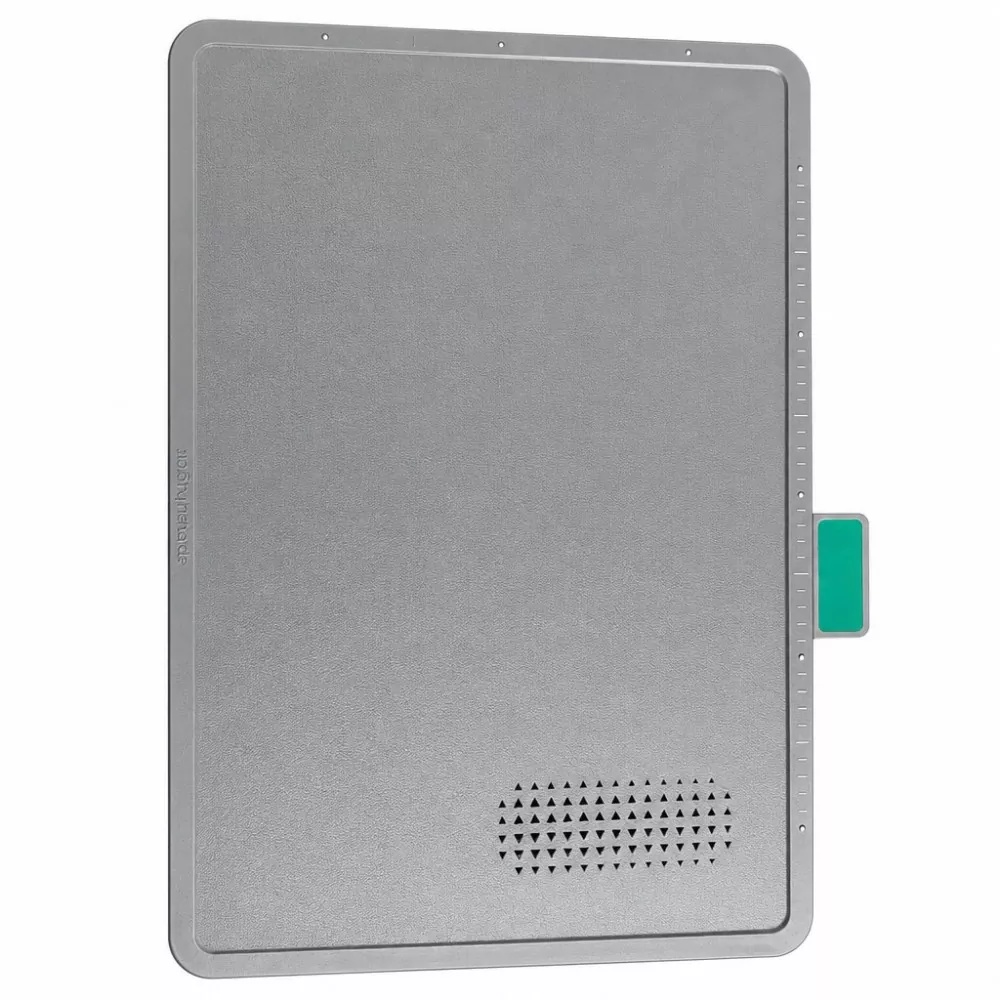
Confirm the application scenario and size requirements, then select suitable PP/PE material and specifications.
Before first use, clean the cutting board with neutral detergent and a soft cloth, rinse with clean water, and dry completely.
Place ingredients on the cutting board for cutting and preparation. Keep separate boards or sides for raw and cooked foods.
After each use, clean with neutral detergent and a soft cloth, rinse thoroughly, and dry.
Store upright or hang in a ventilated and dry area after drying. Avoid prolonged exposure to humid environments.
It is recommended to replace the cutting board every 1-2 years. Replace immediately if deep knife marks appear or the antibacterial surface is significantly damaged.
A: PE material is softer and more flexible, providing a comfortable cutting feel and better protection for knife edges. It is suitable for daily vegetable and fruit cutting. PP material has moderate hardness, better heat resistance (up to 100℃), fewer knife marks, and stronger overall stability. PE is commonly recommended for household cutting, while PP is more suitable for applications requiring higher temperature resistance or meat chopping.
A: Yes. Food-grade PP and PE materials can be cleaned and sterilized in dishwashers. For daily maintenance, clean with neutral detergent and a soft cloth, then rinse with clean water. Avoid using steel wool or hard brushes, as they may scratch the surface and affect antibacterial performance.
A: Not recommended. Antibacterial cutting boards are designed for regular ingredients such as vegetables, fruits, and meat. Cutting bones or extremely hard materials may create deep scratches, damage the antibacterial surface, and reduce service life.
A: Compared with bamboo or wooden cutting boards, plastic cutting boards have a much lower risk of mold growth. Food-grade PP and PE materials have very low water absorption (below 0.01%), significantly reducing the moisture conditions required for mold growth. However, the cutting board should still be cleaned, dried, and stored in a ventilated place after use.
Address
No. 3 Jinfu Road, Pingnan Industrial Zone, Sanxiang Town, Zhongshan City, Guangdong Province, China.
Tel