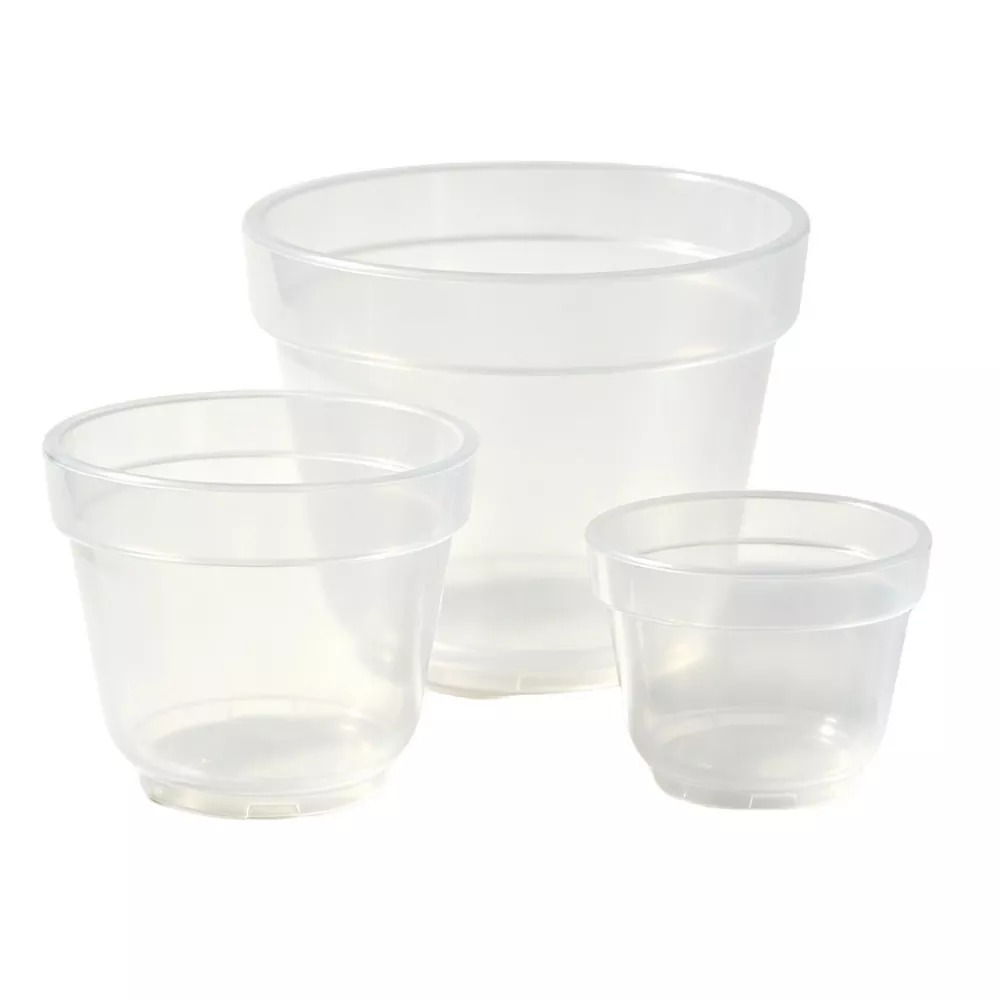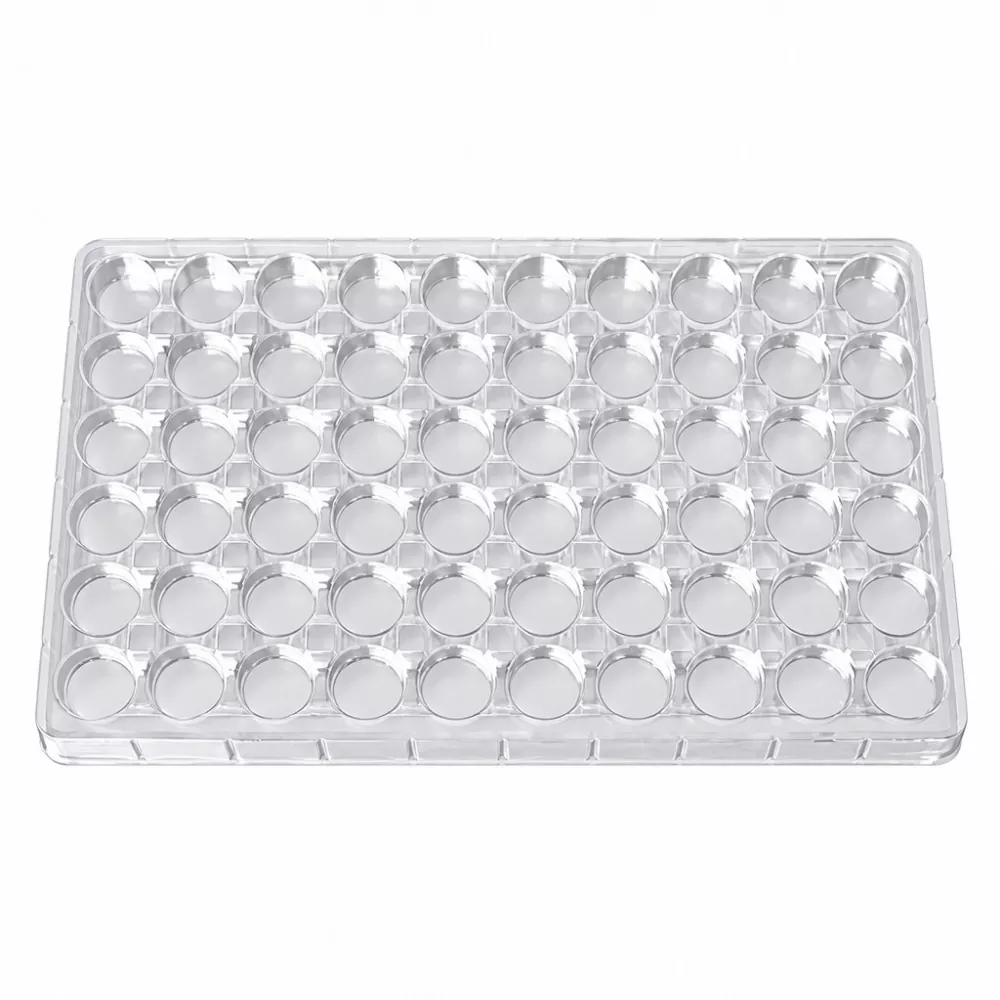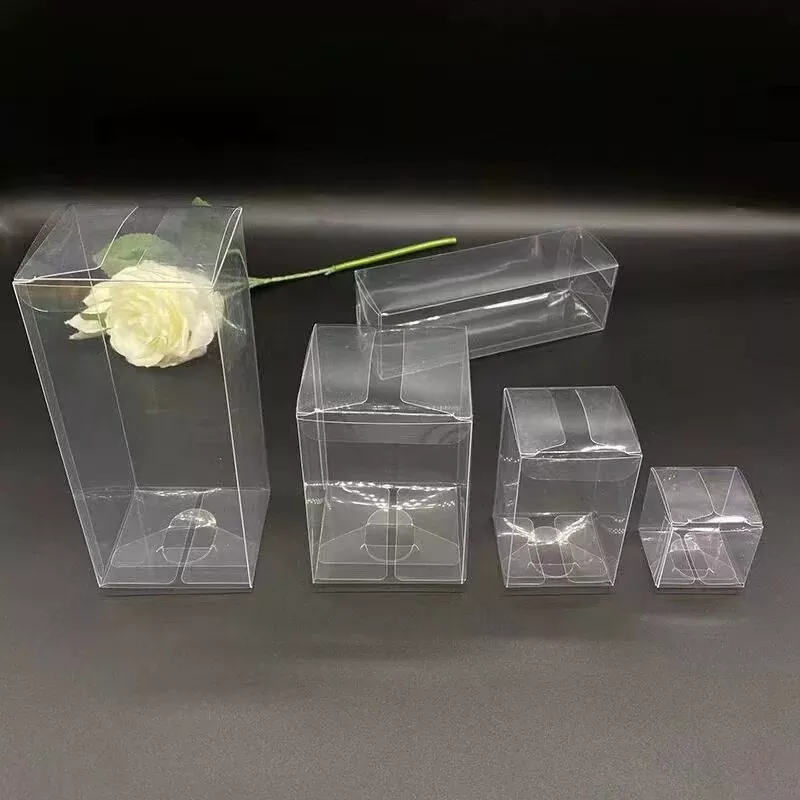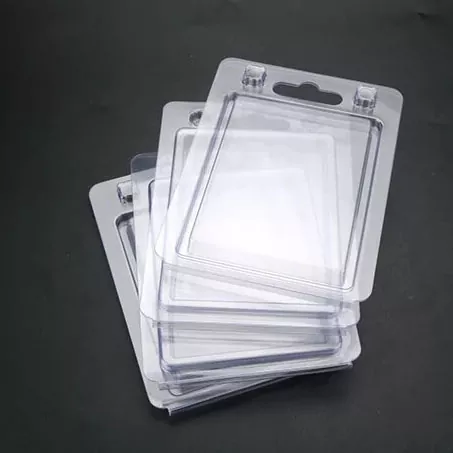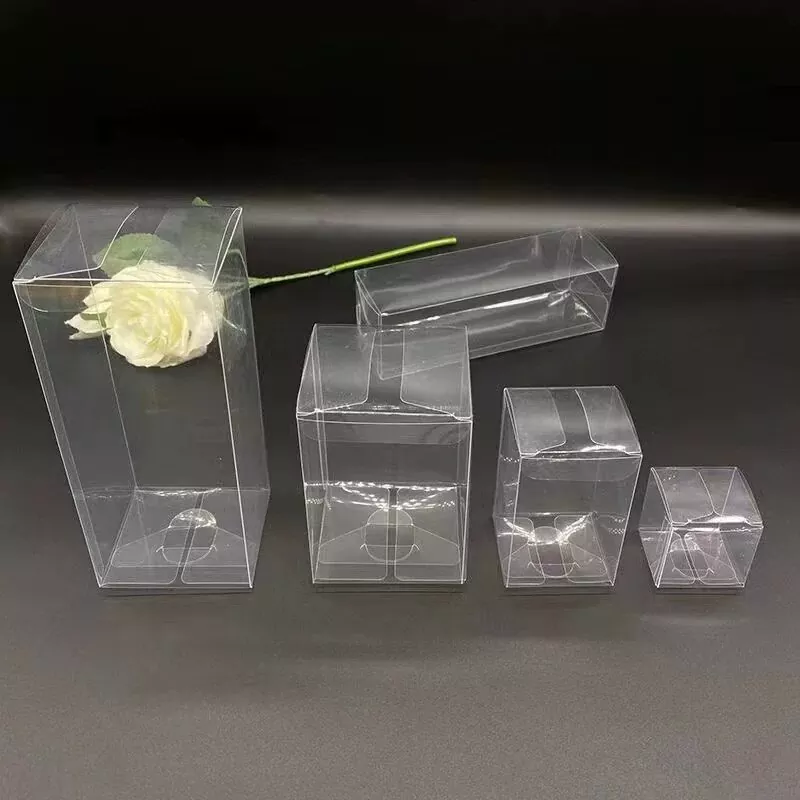

Selecting Food Grade Thermoplastic Packaging requires more than choosing a plastic material with a clean appearance. Packaging must work as part of a food-contact system that includes the food itself, processing conditions, temperature changes, filling equipment, sealing methods, storage, transport, and end use. PET, PP, PS, and other thermoplastic options can provide very different combinations of clarity, stiffness, toughness, heat resistance, moisture protection, and forming behavior. A practical selection process therefore starts with the food application and then connects material behavior with package geometry and production requirements. The following guide explains the main factors that influence safe food-contact packaging, how thermoforming affects package performance, how to review material choices, and which questions should be answered before moving into production.
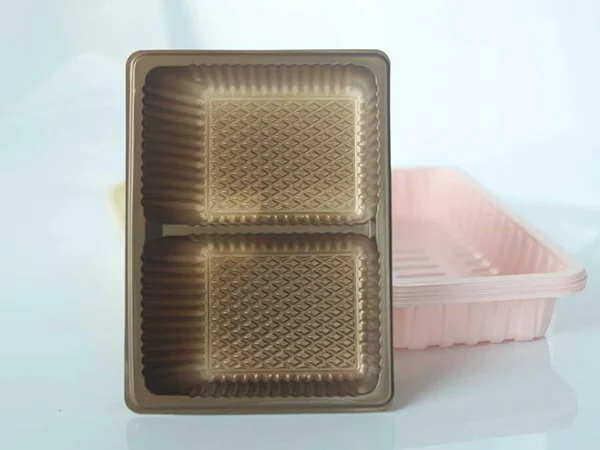
Click a section below to jump directly to the information you need.
Food-contact packaging has to perform several jobs at the same time. It needs to physically contain food, maintain its intended shape, withstand expected handling, and interact appropriately with the food-contact environment. At the same time, packaging manufacturers need a material that can be processed consistently into the required form. Thermoplastics are widely used for this purpose because many grades can be heated, shaped, cooled, and manufactured into repeatable packaging structures.
The important point is that “food grade” is not simply a visual description. A package can look clean, rigid, transparent, or well finished while still requiring careful verification of the resin, additives, pigments, processing conditions, and intended food application. Suitability depends on the complete material system and how the finished package will be used.
The selected material should be appropriate for the intended food-contact use and should be evaluated against the regulations and technical requirements applicable to the target market.
A thermoplastic sheet must form into the required geometry without excessive thinning, distortion, cracking, or dimensional instability.
The finished structure should provide the required combination of stiffness, toughness, moisture resistance, temperature tolerance, and product visibility.
Stable sheet quality, repeatable heating, accurate mold control, and disciplined inspection all contribute to predictable finished packaging.
A common mistake is to treat a resin name as a complete packaging specification. In practice, the same polymer family can exist in different grades and formulations. Thickness, additives, colorants, forming temperature, orientation, and package geometry can all influence performance. A food tray used for chilled produce faces different demands from a container intended for hot prepared food.
Package evaluation should therefore connect four areas: the food, the process, the package, and the intended environment. Once those relationships are understood, material selection becomes much more structured and less dependent on trial and error.
The best starting point is the actual use case rather than a preferred polymer. Packaging design should begin by asking what the food contains, how it is prepared, how it is filled, what temperature it reaches, how long it remains inside the package, and how the package is opened and handled. Those details help define the performance window that the material must satisfy.
Fresh fruit, vegetables, salads, prepared meals, and chilled food products often require visibility, stiffness, moisture tolerance, and clean presentation. Clear PET-based structures may be considered where transparency is important, while PP can be evaluated when greater temperature tolerance is needed. The exact material grade and package design remain application dependent.
Hot-fill, reheating, or heat-processing applications place more demanding thermal requirements on a package. The relevant question is not simply whether the polymer can tolerate a high temperature in general. The designer should consider the actual food temperature, exposure duration, heating method, package wall thickness, and whether dimensional changes could affect sealing or stability.
Freezing changes the mechanical environment. Some materials become less forgiving under low temperatures, and impacts that would be minor at room temperature may become more significant when the package is cold. Geometry, wall thickness, corner design, and handling conditions should therefore be reviewed together when frozen-food applications are involved.
Food composition matters because oils, fats, acids, salts, and moisture can interact differently with packaging systems. The contact conditions should be defined clearly, especially when the package is intended for long storage or direct contact with a specific food category. A material recommendation without food-specific information is incomplete.
| Food Application | Primary Packaging Considerations | Design Questions | Typical Thermoplastic Discussion |
|---|---|---|---|
| Fresh produce | Clarity, rigidity, ventilation, moisture handling | Does the structure protect delicate products without unnecessary restriction of airflow? | PET and PP may be considered depending on the required properties. |
| Ready meals | Thermal exposure, stiffness, sealing, portion format | Will the package remain stable through filling, reheating, and serving? | PP is often reviewed for applications requiring greater heat tolerance. |
| Frozen foods | Low-temperature toughness, impact resistance, handling | Can the container withstand cold storage and movement without cracking? | Material grade and wall structure should be evaluated for low-temperature use. |
| Bakery products | Visibility, product presentation, stackability, contamination control | Does the package maintain shape while keeping the product visible? | Clear PET and other suitable food-contact thermoplastics may be considered. |
A useful specification begins with real operating conditions. Temperature, food type, contact duration, storage environment, filling method, and closure method should be documented before the final material recommendation is made.
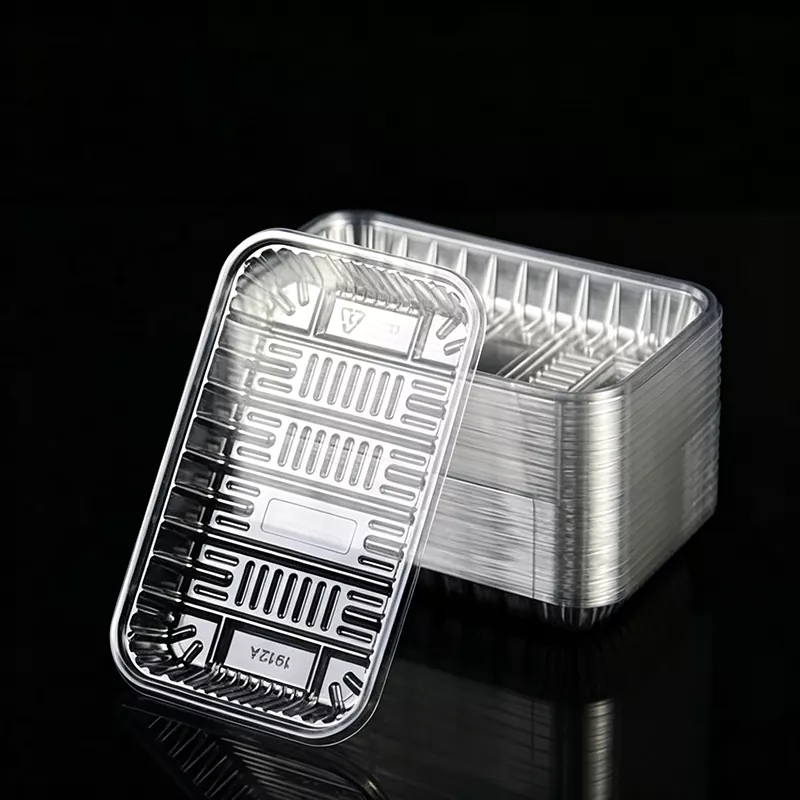
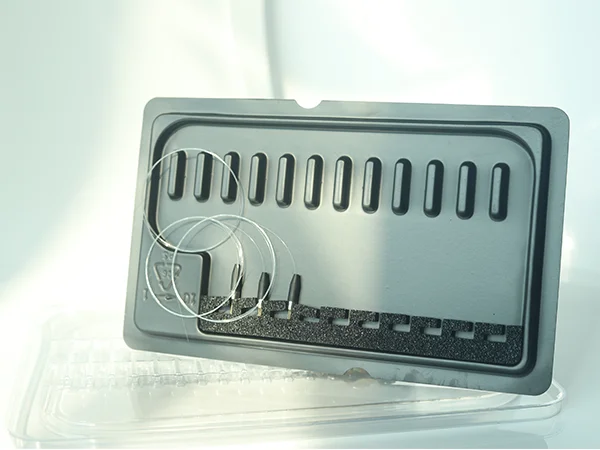
Thermoforming is especially useful for trays, containers, blister-style food packs, lids, inserts, and other packaging structures that begin as thermoplastic sheet. The process typically involves heating the sheet until it reaches a suitable forming condition, shaping it over or into a mold, cooling the formed geometry, and trimming the finished part.
The important engineering issue is that sheet thickness can change during forming. Material is redistributed as the sheet stretches into corners, walls, ribs, or deeper cavities. This means that the nominal starting thickness does not automatically describe every location on the finished package.
Sharp corners, deep cavities, narrow transitions, and uneven cavity depths can increase localized stretching. Better package geometry usually provides smoother transitions, practical draft angles, and carefully positioned features. These decisions help create more consistent walls and reduce unnecessary stress concentrations.
Thermoforming depends on the sheet reaching the right thermal condition. Uneven heating can create inconsistent forming behavior from one area to another. Controlled heating zones, stable machine settings, and suitable process windows are therefore important for repeatability.
After forming, the package is trimmed to its final outline. The trimming process influences edge quality, dimensional accuracy, and how the package interfaces with lids, cartons, sealing films, or automated handling equipment. Clean edges are especially important where the package will be stacked or sealed.
A food container is not successful simply because it comes out of a mold with the right outline. The finished structure must keep its dimensions, maintain its intended sealing surface, and withstand the handling conditions expected in the distribution chain. Good thermoforming design therefore links the material, sheet thickness, mold geometry, heating strategy, cooling, trimming, and inspection process.
Food-contact safety should be approached as a documented technical process. The goal is to confirm that the selected package is suitable for the intended use rather than assuming suitability from the polymer family alone.
Define whether the package will contact dry food, wet food, oily food, acidic products, fatty products, chilled items, frozen products, or hot food. Contact conditions should be as specific as possible because performance and compliance requirements can differ by application.
Food-contact regulations vary by jurisdiction. Packaging intended for a particular country or region should be reviewed against the rules that apply there. This may involve the resin, additives, colorants, processing aids, and the finished packaging itself.
The polymer name is only one part of a finished sheet. Additives, pigments, modifiers, recycled content, processing aids, and other formulation components can influence food-contact suitability. Technical documents should therefore identify the actual grade and relevant formulation information.
Food-contact assessment commonly considers whether substances can migrate from the packaging into food under defined conditions. The relevant evaluation depends on the material, food type, temperature, contact duration, and intended use. This is why a generic statement about plastic safety is not sufficient for a detailed packaging specification.
Suitable resin does not guarantee a suitable finished package if production controls are weak. Clean handling, controlled storage of raw materials, correct processing conditions, traceability, and inspection help reduce avoidable variation.
The final package should be evaluated as a system rather than as an isolated plastic component. A tray, lid, coating, adhesive, or sealing layer may all play a role in the finished application.
Packaging design has to balance protection, handling, sealing, stacking, opening, visibility, and manufacturing repeatability. Even a technically appropriate material can underperform when the geometry does not match the food or the production process.
The first design question is how the food sits inside the container. Delicate produce may require compartmentalization or larger support surfaces. Prepared foods may need separate sections to maintain presentation. Products that shift during transport may benefit from tighter fit and internal features that limit movement.
Walls are not only barriers; they also provide structural support. Ribs can increase stiffness, while carefully designed corners can improve forming and reduce concentrated stress. However, additional geometry should be introduced with a clear functional reason because every feature affects mold complexity, forming behavior, and cleaning access.
A package intended for lidding or heat sealing needs a stable sealing flange. The flange should be wide enough and sufficiently uniform for the selected sealing method. Warped edges, inconsistent dimensions, or thin sections near the sealing area can create challenges for reliable closure.
For many thermoformed structures, Food Grade Thermoplastic Packaging works best when material behavior and package geometry are designed together. Sealing performance, wall distribution, stiffness, and product fit should not be treated as separate decisions.
Commercial food packaging is frequently stacked during manufacturing, storage, display, or transportation. Nesting depth, rim strength, corner shape, and base stability should be evaluated to prevent packages from sticking together or deforming under expected loads.
Clear packaging can support product inspection and presentation, especially for fresh foods, bakery products, and prepared meals. When visibility is part of the package concept, the designer should consider clarity, surface appearance, wall uniformity, and the visual effect of thermoforming.
Use geometry and material properties to reduce crushing, shifting, leakage risk, and accidental contact.
Create a stable flange and consistent interface for the intended lid, film, or closure system.
Consider grip points, stackability, nesting behavior, and compatibility with automated equipment.
Where product visibility matters, use appropriate clarity, shape, and surface design without compromising structure.
Packaging performance is usually defined by a combination of mechanical and environmental properties. A package that performs well under one condition may behave differently under another, so the evaluation should reflect the actual application.
Stiffness helps a tray or container maintain its shape under handling and stacking. If the wall structure is too flexible, lids may not seat correctly and automated equipment may experience inconsistent positioning. Geometry can improve stiffness, but the base material and thickness still establish the fundamental structural behavior.
Food containers can experience drops, compression, vibration, and repeated handling. Impact resistance becomes especially relevant for frozen products and packages with thin walls. Corners, edges, and cutouts should be reviewed because these areas can become more sensitive to impact.
Temperature affects dimensions, flexibility, stiffness, and sealing behavior. Packaging should be matched to the actual temperature range instead of relying on a broad material label. A package used for chilled storage has different requirements from one exposed to reheating or hot filling.
Some foods require protection from moisture exchange, while others need ventilation. The package may need a balance between keeping unwanted moisture out and allowing controlled airflow. Perforations, lids, vents, and film structures should be considered as part of the complete packaging system.
Dimensional stability matters wherever the package has to fit into a lid, carton, tray system, or automated line. Changes caused by heating, cooling, storage, or stacking can affect final fit. Critical dimensions should therefore be defined and checked during production.
| Performance Area | Why It Matters | Typical Evaluation Focus |
|---|---|---|
| Stiffness | Supports shape retention and stacking stability | Wall thickness, geometry, load conditions |
| Impact resistance | Helps the package tolerate handling and accidental drops | Temperature, corner design, material toughness |
| Temperature behavior | Maintains package function during heating or cooling | Actual temperature, exposure duration, dimensional response |
| Seal interface | Supports closure integrity and compatibility | Flange flatness, width, surface condition |
| Dimensional stability | Maintains fit with lids, cartons, and equipment | Critical dimensions and process repeatability |
A strong specification separates properties that are essential from properties that are merely desirable. This keeps engineering decisions focused and makes quality inspection easier because each critical characteristic can be linked to a defined acceptance range.
Once the material and design have been selected, manufacturing discipline determines whether the same specification can be reproduced consistently. In thermoformed food packaging, consistency starts with the incoming sheet and continues through heating, forming, cooling, trimming, inspection, and packing.
Resin and sheet should be identified and stored according to the requirements of the material. Traceability helps connect finished lots with their corresponding raw-material information. Where color, recycled content, or special additives are involved, the exact formulation should be documented.
Sheet thickness, surface condition, flatness, and appearance affect thermoforming behavior. Variation in sheet properties can create differences in wall distribution and finished dimensions. A controlled incoming inspection program helps identify issues before large-scale forming begins.
Heating temperature, heating time, forming pressure or vacuum, cooling conditions, and trimming settings all contribute to final quality. Process windows should be established and monitored so that operators are not relying only on visual judgment.
Critical dimensions should be measured rather than assumed. Useful inspection points may include length, width, depth, flange dimensions, cavity dimensions, stacking features, and sealing surfaces. The measurement method should remain consistent so results can be compared across production batches.
Visual checks can identify scratches, contamination, incomplete forming, wrinkles, trim defects, distortion, poor surface appearance, and other abnormalities. For transparent food packaging, clarity and surface quality can be particularly important.
Quality control is most effective when it is built into the manufacturing process rather than left to a final visual check. A stable workflow creates more predictable packaging performance and makes technical troubleshooting easier.
Thermoplastic packaging can be adapted to many food applications because sheet materials can be formed into trays, boxes, lids, inserts, compartments, and protective structures. The best format depends on the product and the handling environment.
Transparent trays and boxes are commonly considered for berries, cut fruit, vegetables, salads, and similar products where product visibility and physical protection are important. Ventilation design may also be relevant for products that release moisture during storage.
Clamshells, trays, and clear containers can help protect cakes, pastries, biscuits, desserts, and other products that benefit from visibility. Internal geometry can reduce movement and help preserve product presentation.
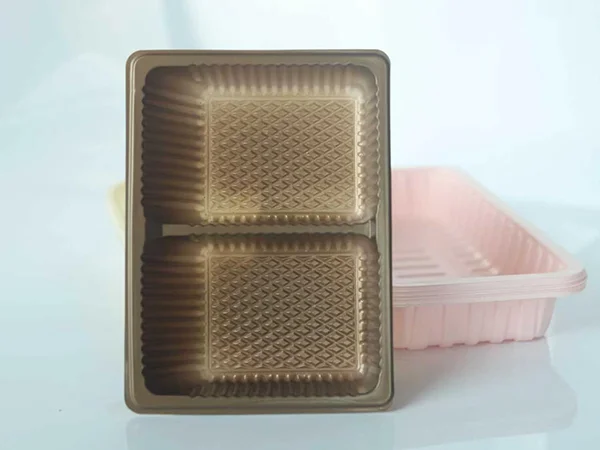
Meal trays may include several compartments or a flat sealing flange for lidding. Applications can range from chilled prepared food to reheatable meals, with the material and design selected according to the thermal and contact conditions.
Frozen packaging must account for low-temperature behavior, handling, stacking, and possible impact. Containers intended for deep-freeze conditions should be evaluated under the temperatures and handling events they will actually encounter.
Food-service containers need practical opening, secure closure, stackability, and resistance to the conditions of serving and transport. Depending on the product, clarity, rigidity, and heat tolerance may all influence the final package structure.
The main principle is simple: the packaging format should follow the food's needs. A visually attractive container is useful only when its material, geometry, closure, and handling behavior are also appropriate for the application.
A clear technical specification reduces ambiguity between design, manufacturing, quality inspection, and final application. It also provides a common reference for evaluating prototypes and finished production.
Identify the polymer family, exact material grade where available, color, transparency requirements, recycled-content requirements if applicable, additives, and intended food-contact conditions. The specification should avoid vague descriptions that cannot be traced to a defined material.
Include overall length, width, depth, wall thickness target, flange dimensions, cavity dimensions, lid interface, and any critical tolerances. Section drawings can be particularly helpful when multiple components must fit together.
Describe what the package must do. Examples include stacking, nesting, sealing, freezing, reheating, product visibility, ventilation, tamper evidence, or compatibility with an automated filling process.
Transparency, gloss, texture, color uniformity, trim quality, and allowable cosmetic variation should be defined when they matter to the application. This is especially useful for transparent food containers where surface defects are easy to notice.
Identify which dimensions are critical, what visual defects are unacceptable, how measurements will be taken, and how production records should be maintained. A practical specification connects each critical requirement with a measurable inspection method.
| Specification Group | Recommended Information | Reason for Inclusion |
|---|---|---|
| Material | Polymer, grade, color, formulation requirements, food-contact use | Defines the material basis of the package |
| Dimensions | Overall size, cavity, flange, thickness, tolerances | Supports fit, stacking, and process compatibility |
| Temperature | Minimum and maximum application temperatures | Connects material behavior with actual use conditions |
| Closure | Lid, film, seal type, flange requirements | Supports reliable package closure |
| Appearance | Clarity, color, surface quality, trim condition | Defines acceptable finished appearance |
| Inspection | Measurement points, defect criteria, records | Creates consistent quality evaluation |
A specification becomes especially useful when it distinguishes mandatory requirements from optional preferences. That separation gives engineers, operators, and quality teams a common understanding of what must remain controlled.
In practical production, Food Grade Thermoplastic Packaging should be evaluated using the same logic as any engineered food-contact component: define the application, identify the required properties, verify the material, control the forming process, and inspect the finished structure against measurable criteria.
It means the material and finished packaging are intended to meet the applicable requirements for food-contact use under defined conditions. The assessment should consider the specific material formulation, food type, temperature, contact duration, and destination-market requirements rather than relying only on the name of the polymer.
Neither material is universally better. PET may be considered when clarity and dimensional characteristics are important, while PP is often evaluated for applications that require greater temperature tolerance. The correct selection depends on the food, processing conditions, package geometry, and intended use.
Some thermoformed materials and designs are suitable for hot-food applications, but suitability depends on the exact material grade, thickness, food temperature, exposure duration, and package geometry. The intended conditions should be specified before the material is approved for production.
Thermoforming redistributes the sheet as it takes the shape of the mold. Areas such as corners and deep cavities can become thinner than the original sheet. Wall thickness therefore affects stiffness, impact resistance, sealing behavior, and dimensional stability.
Start by defining the intended food and contact conditions, then identify the regulations that apply to the destination market. Review the actual material grade and formulation, relevant supporting documentation, and any additional components that contact the food, such as films, lids, coatings, or adhesives.
Useful information includes the food type, temperature range, storage condition, expected contact duration, package dimensions, wall thickness target, shape, sealing method, lid requirements, transparency or color requirements, stacking needs, and the destination market. Drawings or reference dimensions can further improve technical alignment.
Geometry can affect manufacturing consistency, wall distribution, sealing performance, structural stability, and cleaning or handling characteristics. While geometry does not replace material compliance, poor design can create functional problems even when the selected material itself is suitable.
Inspection may include overall dimensions, wall distribution in critical areas, flange flatness, trim quality, appearance, deformation, cracks, surface defects, stacking behavior, and the fit between the package and its lid or sealing system. The exact inspection plan should reflect the critical functions of the finished package.
Food packaging performs best when material selection, forming technology, package geometry, food-contact requirements, and quality control are considered as one connected system. For application guidance, structural requirements, or technical specification discussions, contact us for a practical packaging solution.
Practical packaging decisions should always be confirmed against the exact material grade, intended food-contact conditions, manufacturing process, and regulations applicable to the destination market.