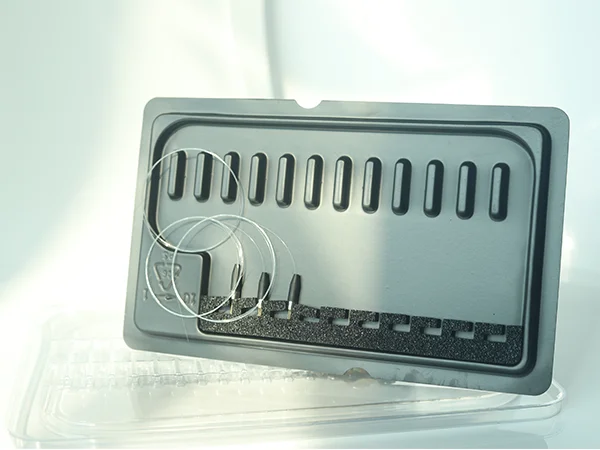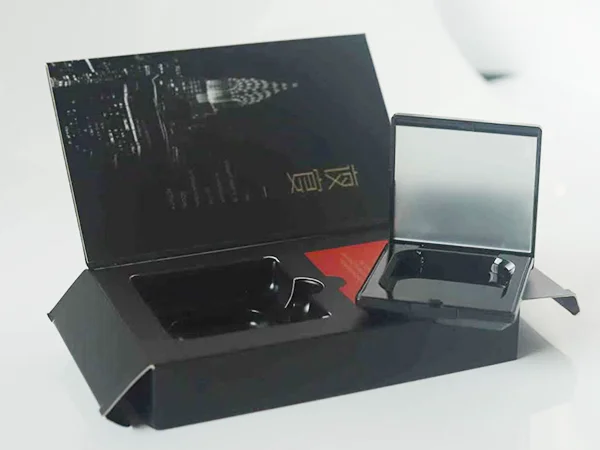

A gift box is more than an outer container. It protects the product, shapes the unboxing experience, supports brand presentation, and can influence how customers perceive value. A Plastic Thermoplastic Gift Box combines the visual appeal of plastic packaging with the design flexibility needed for different products and gifting occasions. This guide explains how thermoplastic gift boxes work, what benefits they offer, how to select suitable materials and structures, and how businesses can create packaging that balances protection, appearance, usability, and cost.
What Is a Plastic Thermoplastic Gift Box?
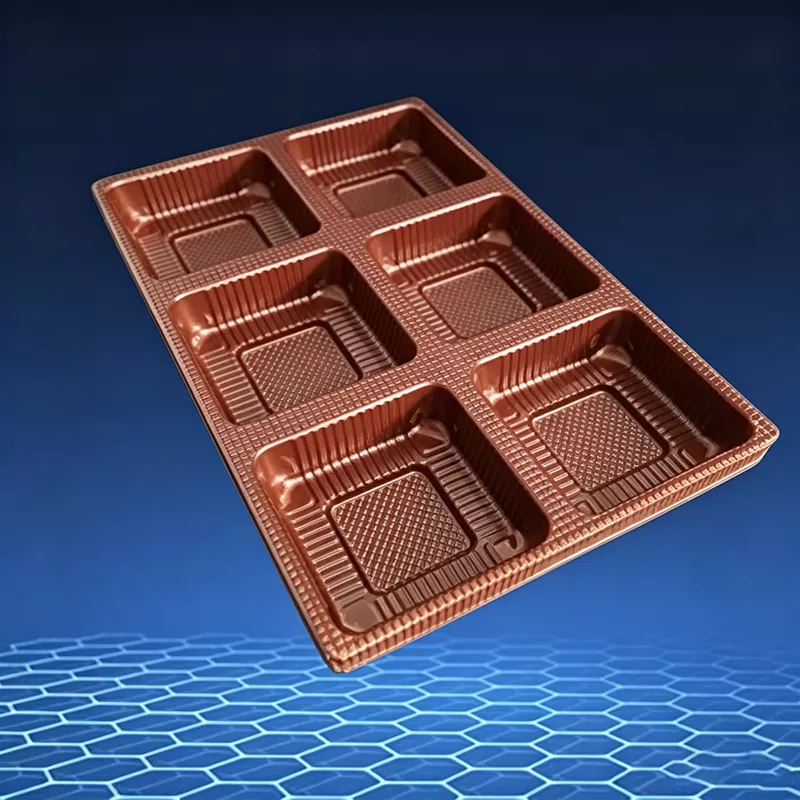
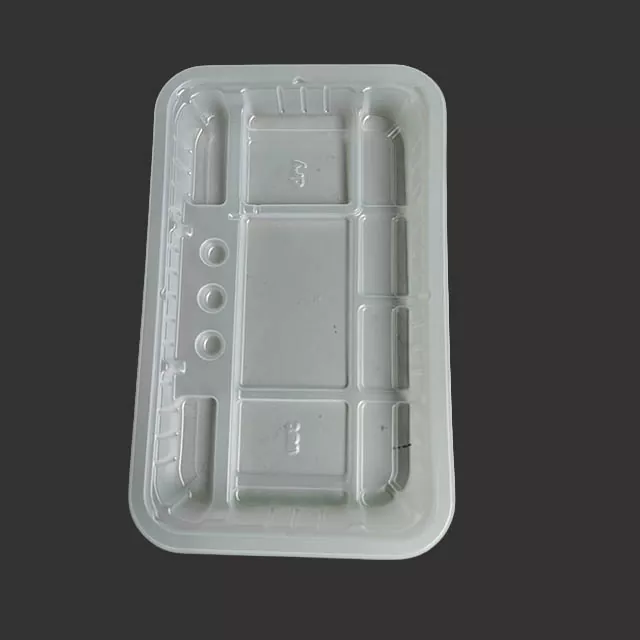
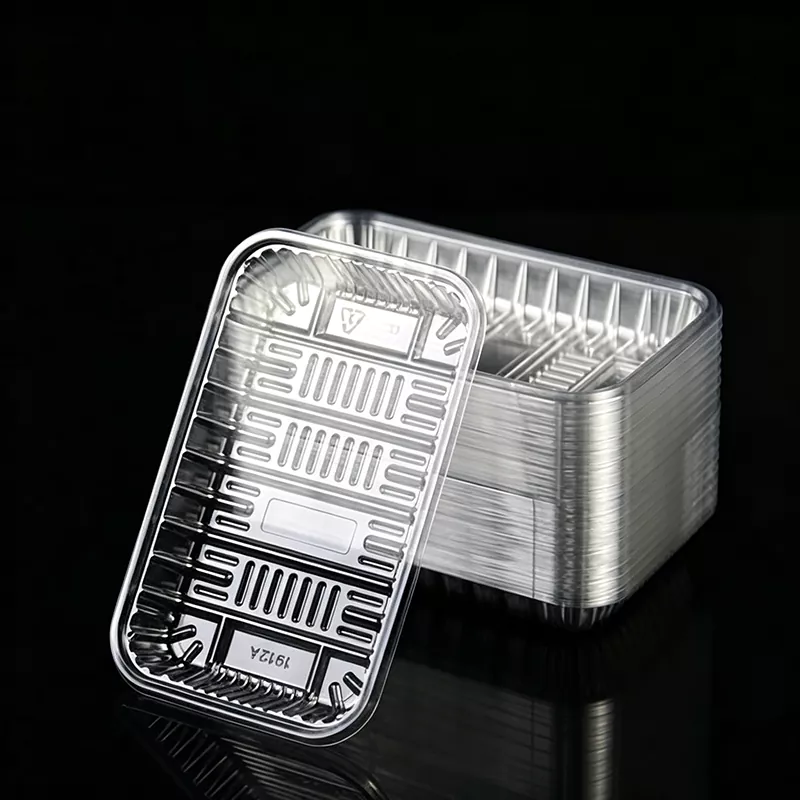
A Plastic Thermoplastic Gift Box is a gift-packaging structure made from thermoplastic materials that can be shaped into specific forms through controlled heating and forming processes. Instead of relying solely on paperboard or rigid cardboard, this type of packaging uses plastic to create a combination of structural support, product visibility, and design flexibility.
The term “thermoplastic” refers to a broad group of plastics that can soften when heated and become rigid again after cooling. This characteristic makes them suitable for manufacturing packaging components with controlled shapes, including trays, covers, inserts, lids, compartments, and complete box structures.
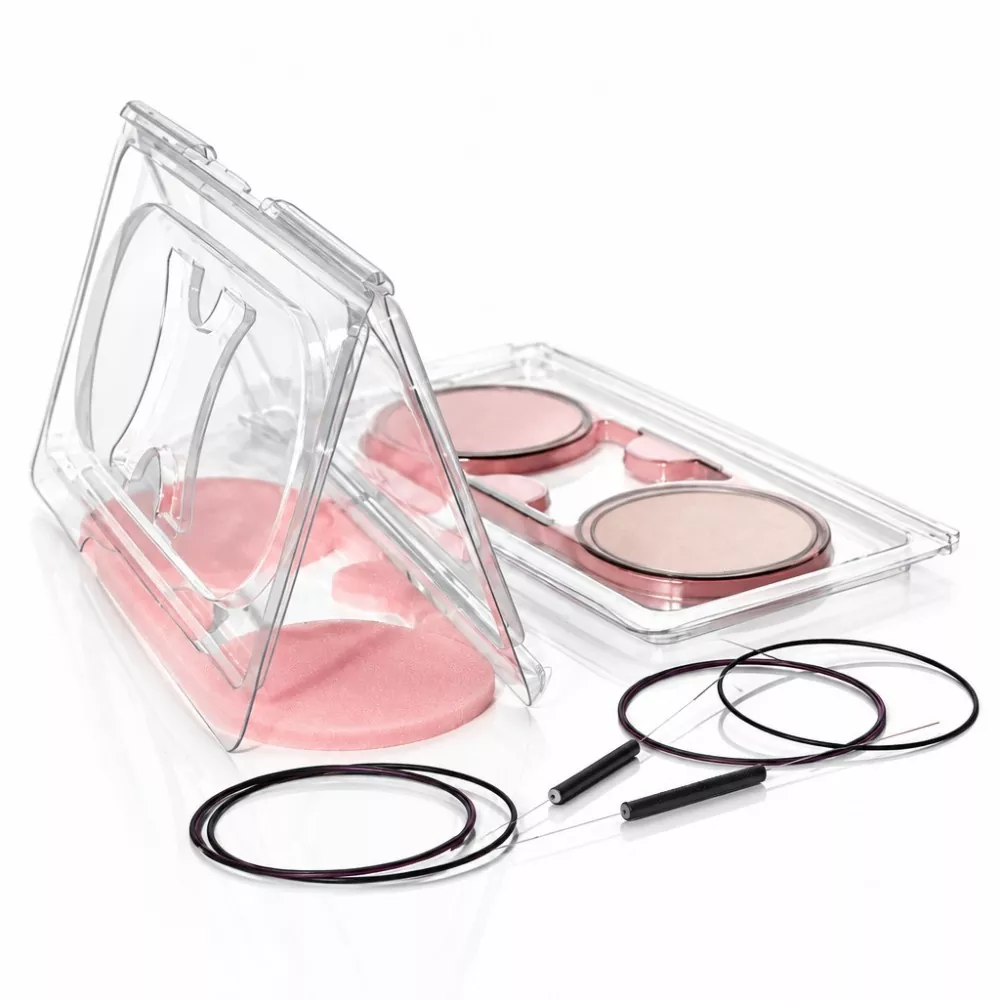
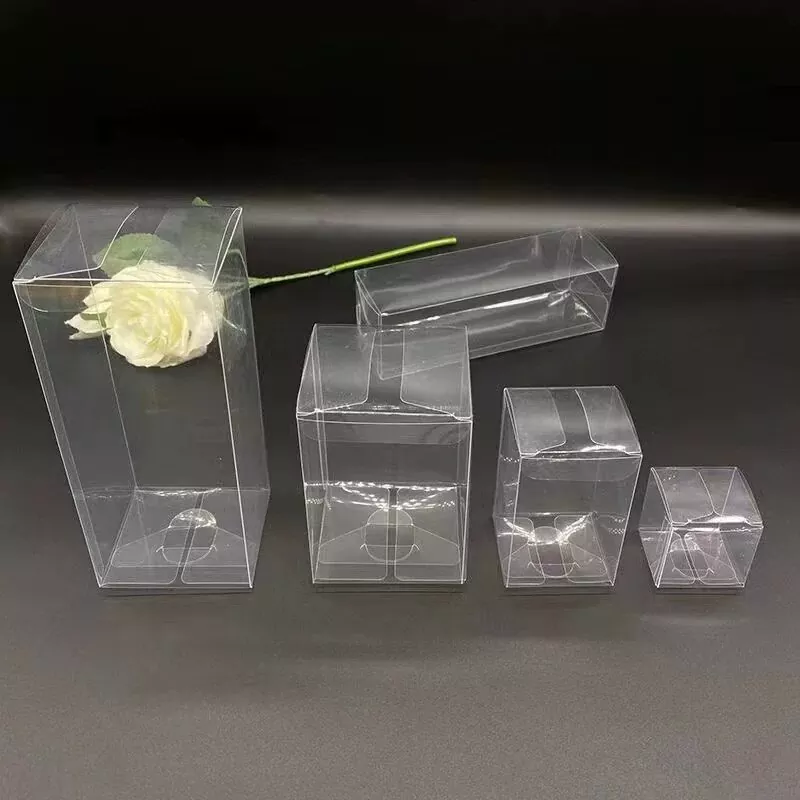
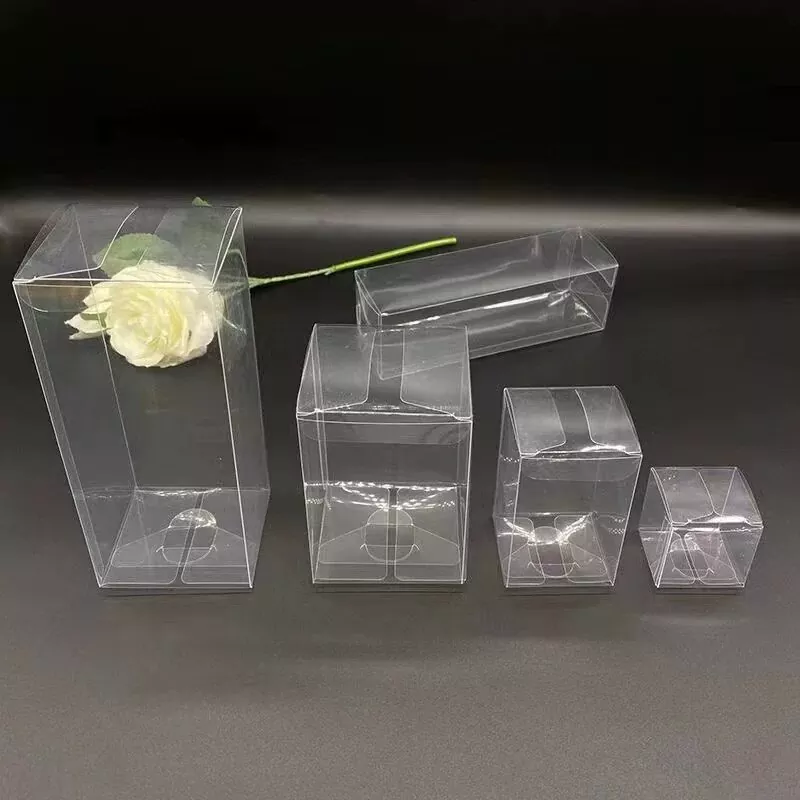
For gift packaging, the advantage is particularly useful when the product needs to be displayed while remaining protected. A transparent or semi-transparent structure can allow customers to see the product without opening the package, while a molded interior can help keep the product positioned during handling.
Why Does Thermoplastic Packaging Matter for Gift Boxes?
Gift packaging often has a different purpose from ordinary transport packaging. A shipping carton primarily needs to survive logistics, while a gift box must also contribute to presentation and perceived value.
This creates several common challenges for brands and purchasing teams. A box that is too large can make a small product appear less valuable and may increase unnecessary material and shipping volume. A box that is too loose can allow the product to move inside. A structure that looks attractive but lacks sufficient protection may result in damaged products and dissatisfied customers.
Thermoplastic packaging can address these issues through customized dimensions and shaped internal structures. Instead of designing the product around a generic box, manufacturers can develop packaging around the product's dimensions, shape, accessories, and presentation requirements.
- Creates a more controlled fit around the product.
- Can provide a clean and modern visual appearance.
- Supports transparent or partially transparent presentation.
- Allows different shapes, depths, compartments, and structural details.
- Can be combined with paper inserts, printed sleeves, labels, or other packaging elements.
Key Benefits of Thermoplastic Gift Boxes
1. Better Product Visibility
One of the strongest advantages of plastic gift packaging is visibility. When the material and structure are selected appropriately, customers can see the product before opening the box. This is useful for cosmetics, accessories, toys, promotional gifts, electronics, collectibles, and other visually appealing products.
2. Improved Product Positioning
A customized inner tray or molded cavity can reduce unwanted movement. This matters when the product has a delicate surface, a specific orientation, or multiple components that need to remain organized.
3. Flexible Structural Design
Thermoplastic materials can support a variety of packaging shapes. Designers can consider product height, width, depth, corners, curves, compartments, openings, and closure requirements during development.
4. Strong Brand Presentation
Packaging is often the first physical interaction a customer has with a product. A clean plastic structure combined with an appropriate label, sleeve, insert, logo treatment, or color scheme can help create a recognizable brand experience.
5. Convenient Product Protection
A well-designed box should protect the product during storage, handling, retail display, and transportation. The right wall thickness, internal support, closure design, and product fit should be considered together rather than individually.
6. Reusable Potential
Depending on the material, construction, and intended use, some plastic gift boxes can be designed for repeated use. Reusable packaging can be especially attractive for premium gift sets, storage-oriented products, promotional kits, and seasonal collections.
Common Material Considerations
Material selection should begin with the actual requirements of the product rather than appearance alone. Transparency, stiffness, impact resistance, surface finish, forming characteristics, thickness, intended use, and local packaging requirements may all influence the final selection.
| Consideration | Why It Matters | Typical Packaging Goal |
|---|---|---|
| Transparency | Determines how clearly the product can be displayed. | Retail visibility and attractive presentation. |
| Thickness | Influences rigidity, weight, appearance, and protection. | Balance durability with material efficiency. |
| Surface Finish | Changes the tactile and visual character of the package. | Glossy, matte, textured, or premium appearance. |
| Formability | Affects the shapes and details that can be produced. | Customized cavities and product-specific structures. |
| Impact Performance | Helps determine how well packaging handles everyday handling. | Protection during storage and distribution. |
| End-of-Life Requirements | Influences material selection and disposal considerations. | Align packaging with applicable market expectations. |
Because packaging requirements vary significantly between products, buyers should ask the manufacturer to recommend materials based on the product's weight, dimensions, usage environment, expected handling conditions, and desired appearance.
Where Can Thermoplastic Gift Boxes Be Used?
Plastic thermoplastic gift boxes can serve a wide range of product categories. Their flexibility is particularly valuable when packaging must combine product presentation with physical protection.
- Beauty and personal care: skincare sets, cosmetics, fragrance accessories, and promotional kits.
- Jewelry and accessories: watches, bracelets, fashion accessories, and small premium products.
- Consumer electronics: compact devices, accessories, charging products, and promotional electronics.
- Toys and collectibles: display-oriented products that benefit from product visibility.
- Corporate gifts: customized promotional products and employee gift sets.
- Seasonal gifts: holiday collections, celebration packages, and limited-edition products.
- Food-related gift sets: where the selected material and construction are appropriate for the intended application and applicable requirements.
The most suitable design depends on whether the primary goal is premium presentation, product protection, retail display, transportation, repeated use, or a combination of these objectives.
How Should a Thermoplastic Gift Box Be Designed?
Start With the Product
The packaging design process should begin with the actual product. Record its length, width, height, weight, fragile areas, accessories, and preferred display orientation. If the product has protruding parts or delicate surfaces, these details should be reflected in the packaging structure.
Plan the Internal Structure
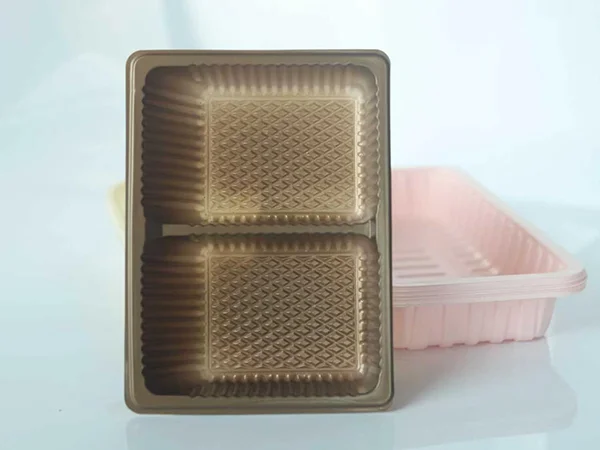
An internal tray, cavity, divider, or insert can make a significant difference to both protection and presentation. Multiple products can be separated into dedicated compartments, while a single premium product can be positioned centrally for a stronger unboxing effect.
Consider Opening and Closing
The opening experience should be simple and intuitive. A gift box that is difficult to open can reduce customer satisfaction, while a loose closure can create concerns during transportation. Closure design should therefore balance convenience, security, appearance, and production practicality.
Control the Overall Dimensions
Oversized packaging can create unnecessary empty space and increase logistics requirements. Undersized packaging may create pressure on the product or make the package difficult to assemble. Accurate dimensions are therefore an important part of packaging development.
Think About the Complete Packaging System
A plastic box does not necessarily need to work alone. It can be combined with printed paper sleeves, labels, inserts, ribbons, cards, outer cartons, or other brand elements. A coordinated system can provide both structural protection and a stronger visual identity.
Thermoplastic Gift Box vs. Traditional Packaging
There is no universal packaging format that is best for every product. Thermoplastic packaging and traditional paper-based gift boxes each have different strengths.
| Factor | Thermoplastic Gift Box | Traditional Paper Gift Box |
|---|---|---|
| Product Visibility | Can provide strong visibility when transparent material is selected. | Usually depends on windows or printed presentation. |
| Shape Customization | Suitable for molded and product-specific structures. | Highly flexible in folding and structural paperboard formats. |
| Internal Fit | Can be designed with shaped cavities or trays. | Often relies on paper, foam, or other inserts. |
| Visual Style | Modern, clean, transparent, or technical appearance. | Broad printing, texture, foil, embossing, and paper-finish possibilities. |
| Reuse Potential | Can be designed for repeated use depending on structure and material. | Varies significantly according to board construction. |
| Best Fit | Display-oriented, shaped, protective, or modern gift packaging. | Brand-heavy, paper-focused, premium, or lightweight gift packaging. |
The choice should ultimately be based on the product, customer expectations, target price, packaging volume, appearance requirements, logistics conditions, and applicable material considerations.
Customization Options for Different Brands
For businesses purchasing gift boxes in commercial quantities, customization is often more valuable than simply selecting an existing stock package. A customized design can help solve product-specific problems while creating a more recognizable presentation.
Shape and Dimensions
Dimensions can be developed around the product rather than forcing different products into one standard box. This is especially useful for product collections with different sizes.
Color and Surface Appearance
Different surface treatments can create different brand impressions. Clear packaging emphasizes product visibility, while colored or opaque surfaces can create a more controlled visual presentation.
Branding Elements
Logos, labels, printed components, sleeves, cards, and other decorative elements can be incorporated into the overall packaging concept. The objective should be a consistent visual identity rather than adding unnecessary decoration.
Internal Inserts
Custom inserts can separate products, hold accessories, protect sensitive areas, and improve the arrangement inside the package. The insert should be developed together with the outer box rather than treated as an afterthought.
Special Product Requirements
Some products require specific compartments, anti-movement features, easy-access openings, stacking considerations, or protective structures. These requirements should be communicated during the quotation and sampling stage.
What Should Buyers Check Before Ordering?
For procurement teams, the biggest packaging problems often occur when the design is evaluated only by unit price. A low initial quotation may not represent the lowest total cost if the package requires repeated modifications, creates excessive material waste, damages products, or does not match the expected presentation.
- Confirm product dimensions: Provide accurate measurements and drawings whenever possible.
- Define the packaging purpose: Clarify whether the box is primarily for display, gifting, storage, transportation, or a combination.
- Specify material expectations: Discuss transparency, rigidity, surface finish, thickness, and other performance requirements.
- Request a sample: Physical sampling can reveal fit, appearance, opening experience, and structural issues before mass production.
- Review production consistency: Ask how dimensions, appearance, forming, trimming, and assembly quality are controlled.
- Confirm order quantities: Production volume can influence tooling, manufacturing efficiency, packaging costs, and delivery planning.
- Discuss customization limits: Make sure the supplier understands the required shape, branding, insert, closure, and finishing details.
- Clarify logistics packaging: A beautiful gift box still needs appropriate outer packaging to protect it during transportation.
How Can a Supplier Help Reduce Packaging Problems?
A capable packaging supplier should do more than manufacture according to a drawing. During product development, the supplier can help identify potential problems related to dimensions, material selection, forming, internal fit, closure design, production feasibility, and packaging efficiency.
For brands developing a new gift package, early communication can prevent expensive changes later. A useful development process generally includes requirement confirmation, structural design, material discussion, prototype or sample development, customer review, production preparation, quality inspection, and final delivery.
ZHONGSHAN SHUNXIN PACKAGING MATERIAL CO., LTD can be considered as a packaging partner when businesses need to discuss customized plastic packaging requirements. By communicating the product dimensions, desired appearance, packaging quantity, and application scenario in advance, buyers can establish a clearer foundation for packaging development.
Frequently Asked Questions
What is a Plastic Thermoplastic Gift Box?
It is a gift packaging solution made using thermoplastic material that can be formed into customized structures. It can combine product protection, visibility, presentation, and customized dimensions.
Can a thermoplastic gift box be customized?
Yes. Depending on the manufacturing method and material, customization may include dimensions, shape, internal cavities, compartments, surface appearance, closure structure, and branding elements.
Are thermoplastic gift boxes suitable for premium products?
They can be suitable for premium products when the material, structure, surface finish, insert, and branding are designed as one complete packaging system.
Can plastic gift boxes protect products during transportation?
They can provide useful protection, but performance depends on material thickness, box structure, internal fit, product weight, closure design, and the outer shipping package used during transportation.
Can a thermoplastic gift box include an insert?
Yes. Inserts can be designed to position the product, separate multiple components, protect sensitive surfaces, and create a more organized presentation.
How should I choose the right material?
Consider transparency, stiffness, thickness, appearance, impact requirements, forming characteristics, product weight, intended use, and applicable market requirements. A qualified packaging supplier can help match the material to the application.
Is custom packaging more expensive than standard packaging?
Custom packaging may require additional design or tooling investment, but the total value should be evaluated against product protection, presentation, fit, production volume, and long-term packaging requirements rather than unit price alone.
What information should I provide when requesting a quotation?
Useful information includes product dimensions, product weight, desired box dimensions, material preference, transparency requirements, quantity, artwork, insert requirements, packaging purpose, delivery destination, and target delivery date.
Build a Gift Box Around Your Product
The right Plastic Thermoplastic Gift Box should do more than look attractive. It should fit the product accurately, protect it during handling, communicate the desired brand image, and provide a practical experience for both buyers and end users.
Whether you are developing a new gift collection, upgrading existing packaging, or looking for a customized plastic packaging structure, starting with accurate product information can make the development process more efficient.
ZHONGSHAN SHUNXIN PACKAGING MATERIAL CO., LTD can work with buyers to discuss customized packaging requirements and develop solutions around specific product dimensions, presentation goals, and application needs. If you are planning a new packaging project, contact us to discuss your product requirements and explore a suitable packaging solution.