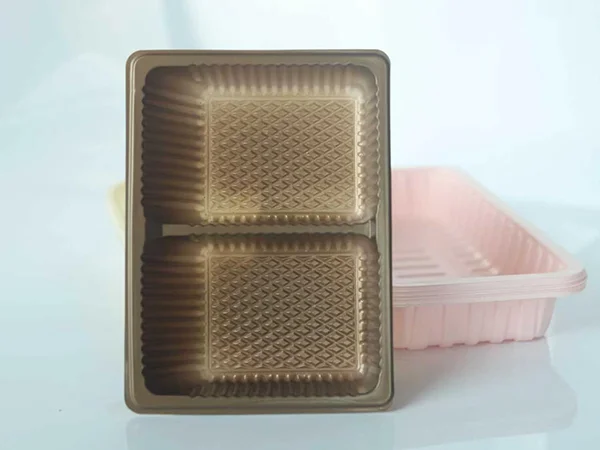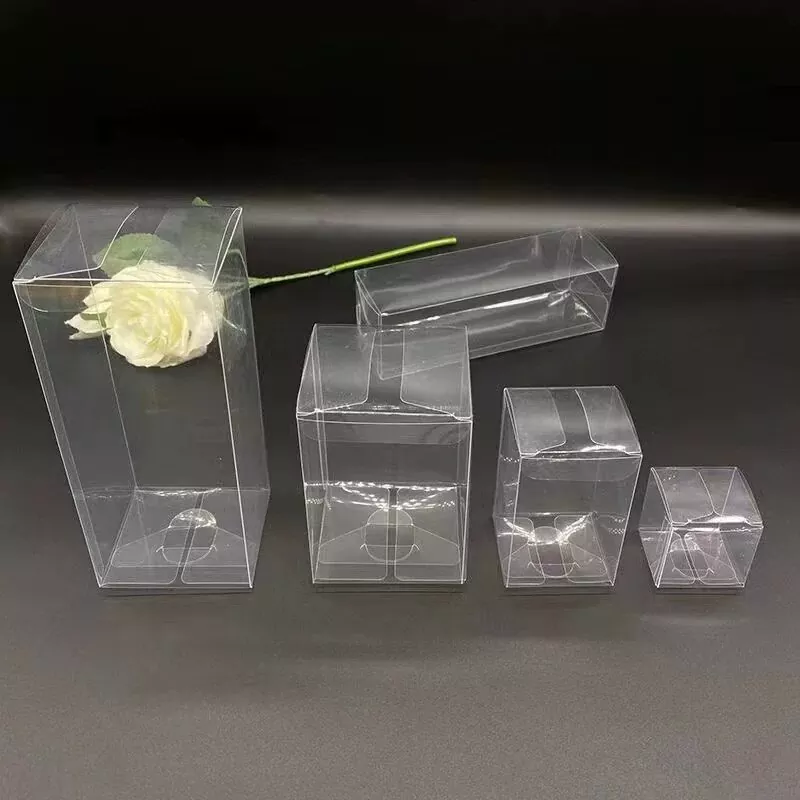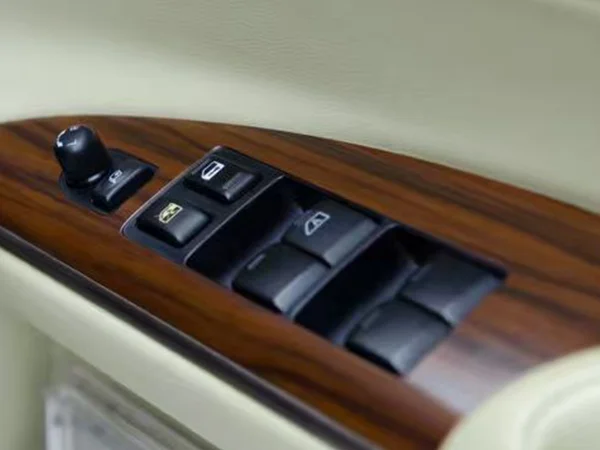

Automotive Interior Plastic Parts are increasingly used for cargo areas, flooring, trim, protective panels, storage structures and other vehicle-specific interior applications. Their value is not limited to replacing another material. Good interior components must balance shape, stiffness, weight, impact resistance, surface appearance, installation requirements and long-term service conditions. Thermoforming is particularly practical for large, curved and irregular structures because the process can accommodate broad sheet formats and vehicle-specific contours with tooling approaches suited to development work and selected production volumes. Material selection is equally important: ABS can support rigidity and visible surface requirements, PP offers low weight and chemical resistance, while PE and HDPE are useful when impact resistance and moisture exposure are key considerations. A well-planned part therefore starts with the vehicle space, functional load and installation method rather than with material selection alone.
Table of Contents
Select a section below to jump directly to the topic you want to explore.
- 01. What Defines a Useful Interior Plastic Component?
- 02. Which Parts Can Be Produced for Vehicle Interiors?
- 03. How Should the Material Be Selected?
- 04. Why Is Thermoforming Suitable for Large Interior Structures?
- 05. What Should Be Considered During Design?
- 06. How Does the Development and Production Workflow Work?
- 07. Where Are These Components Used?
- 08. How Can Fit, Appearance and Durability Be Controlled?
- 09. What Can Be Customized for a Vehicle Program?
- 10. Frequently Asked Questions
What Defines a Useful Interior Plastic Component?
A vehicle interior part is successful when it performs its intended function while fitting the surrounding structure without creating unnecessary weight, interference or installation complexity. That means a cargo panel cannot be evaluated only by whether it can be formed into the required shape. Its edge conditions, mounting points, surface finish, load exposure and interaction with neighboring components all matter.
Interior components are often exposed to repeated handling. Luggage can slide across a floor surface, tools can contact a cargo panel, passengers can push against trim surfaces, and storage compartments may experience moisture, dust or temperature changes. For that reason, the design process needs to consider actual service conditions rather than only the appearance of the finished piece.
Functional Geometry
Curves, corners, recesses, steps, flanges and openings should work with the surrounding vehicle structure. A good geometry strategy can make installation easier while reducing interference with seats, panels, wiring, storage mechanisms and access points.
Material Behavior
Plastic behavior changes with material type, thickness, temperature and forming conditions. A part intended for impact resistance may require a different material approach from a visible trim panel where surface appearance and rigidity are more important.
Service Conditions
Designers should identify whether the component will encounter moisture, cleaning chemicals, repeated loading, abrasion, elevated temperature or cold environments. These conditions influence both material selection and structural details.
Installation Strategy
Fixing points should be considered early. Holes, clips, brackets, slots, locating features and reinforcement zones can be integrated into the forming concept so the final component works as part of the complete assembly.
Good interior design is not simply about making a plastic shape. It is about creating a controlled interface between the vehicle structure, the part and the people using the vehicle.
Which Parts Can Be Produced for Vehicle Interiors?
Automotive interiors contain many large and medium-sized components that do not need the highly detailed micro-features of small molded components. This creates an opportunity for thermoformed structures where the primary requirement is controlled geometry across a broad surface.
Trunk Liners and Luggage Compartment Components
Trunk liners are designed around the available luggage volume and the shape of the vehicle's rear compartment. The component may need to follow wheel arches, side walls, steps, recesses or other irregular areas. A properly formed liner can help create a clean storage surface while also protecting the underlying structure from dirt, moisture and everyday contact.
Geometry is particularly important in luggage compartments because usable space can be limited by vehicle-specific contours. A liner should follow the available envelope without unnecessarily blocking storage capacity or access to surrounding areas.
Cargo Panels and Compartment Dividers
Rear cargo panels can organize large storage zones and create separation between different areas of the luggage compartment. Depending on the vehicle, these panels can be broad, curved or partially enclosed. Structural ribs, folded edges or formed features can be considered where additional rigidity is needed without turning the entire component into a heavy structure.
Floor Components
Interior floor components face repeated foot traffic, moving loads and abrasion. Their design should therefore address wear resistance, support, cleaning requirements and surface appearance. The floor geometry may also need to accommodate wiring paths, storage recesses, seat movement or service access.
Trim and Protective Panels
Protective panels can cover or shield areas that may otherwise be vulnerable to scratches, impact or contamination. Trim components may also need a controlled visible finish that aligns with the broader interior design. In such applications, the plastic grade, forming process, thickness distribution and surface treatment should be considered together.
- Trunk liners: shaped around vehicle-specific luggage compartments and storage spaces.
- Cargo panels: used to divide, organize or protect larger rear storage areas.
- Floor components: developed around wear, support, access and interior layout requirements.
- Interior covers: formed for specific areas where controlled geometry and lightweight construction are required.
- Protective structures: designed to shield selected surfaces from repeated contact or environmental exposure.
How Should the Material Be Selected?
Material selection should follow the part's functional role rather than a general preference for one plastic. The most suitable material depends on rigidity, impact resistance, fatigue behavior, chemical exposure, moisture exposure, temperature, surface appearance and forming requirements.
| Material | Main Characteristics | Typical Interior Uses | Design Considerations |
|---|---|---|---|
| ABS | Good rigidity, impact resistance and surface appearance. | Interior trim, covers and structural-style panels. | Useful when shape retention and visible surface quality are important. |
| PP | Lightweight with good chemical resistance and fatigue resistance. | Floor components, storage panels and utility parts. | Suitable where low weight and repeated flexing are important. |
| PE / HDPE | Good impact resistance, moisture resistance and durability. | Trunk liners, cargo structures and protective components. | Useful for areas exposed to handling, moisture or rough service conditions. |
| Other Suitable Plastics | Selected according to required strength, temperature, appearance and part function. | Vehicle-specific customized components. | Requires evaluation of the complete part and forming process. |
Consider Rigidity and Load Conditions
A broad panel may need more stiffness than a small trim piece. Instead of increasing material thickness everywhere, design engineers can consider formed contours, flanges, ribs and local reinforcement zones. This approach can help distribute loads while maintaining a practical overall structure.
Consider Temperature Exposure
Vehicle interiors can experience different temperatures depending on climate, parking conditions, sunlight and component location. The material should remain suitable for the expected service environment and should not create avoidable deformation or dimensional instability.
Consider Surface Requirements
Visible interior areas often have requirements for texture, color, gloss level and tactile quality. Cargo-area components may emphasize durability and easy cleaning instead. The surface requirement should therefore be defined together with the vehicle application instead of being treated as a final cosmetic adjustment.
Consider Chemical and Moisture Exposure
Storage compartments and utility areas can be exposed to water, mud, oils, cleaning agents or other substances. Where such exposure is expected, the selected plastic should be evaluated for the relevant environment and for the cleaning method likely to be used during service.
Why Is Thermoforming Suitable for Large Interior Structures?
Thermoforming is a sheet-based manufacturing process in which a plastic sheet is heated and shaped over a tooling surface. For automotive applications, the process is particularly useful when the finished component is large, curved or irregular and when the project requires flexible development options.
The process can handle broad sheet surfaces that are difficult to approach economically through small-part manufacturing methods. This makes it relevant to luggage compartment structures, large panels, flooring elements and protective covers where overall geometry is more important than a high density of tiny molded details.
Large-Format Geometry
Vehicle interiors often contain wide panels that follow complex contours. Thermoforming can reproduce these broad shapes while allowing the design to include bends, curves, recesses and integrated edges. The geometry can be adapted around the actual vehicle packaging space instead of forcing the vehicle area into a simple rectangular part.
Development Flexibility
For some large or customized parts, tooling requirements can be more manageable than those associated with conventional injection molding. This can make thermoforming practical for development-stage projects, vehicle model updates, trial production and selected low-volume programs.
Lightweight Structures
Plastic sheets can provide a relatively lightweight solution for many interior applications. The final weight still depends on material type, sheet thickness, geometry and structural design, but broad plastic panels can often be developed without the mass associated with equivalent metal constructions.
Flexible Part Geometry
The forming approach supports curves, irregular profiles and vehicle-specific contours. Design flexibility can also extend to mounting openings, fixing areas, surface features, local reinforcement and other functional zones that influence how the component is installed and used.
- Suitable for broad panels and large curved structures.
- Supports vehicle-specific contours and irregular profiles.
- Can be practical for selected development and low-volume programs.
- Allows material and thickness decisions to be aligned with part requirements.
- Provides flexibility for design changes during vehicle development.
What Should Be Considered During Design?
A strong design process treats the plastic component as part of a complete vehicle system. The shape, material, installation method and surrounding components should be considered at the same time so the part does not solve one requirement while creating another problem.
1. Vehicle Packaging Space
The first step is to define the usable envelope. Measure the width, height, depth, curvature and access conditions around the installation area. Existing seats, hinges, wiring, fasteners, storage mechanisms and neighboring panels can all affect the available space.
A part that looks correct in a standalone drawing may still interfere with another component when installed. Early packaging review can reduce the chance of unwanted contact and can help establish the correct edge profile before tooling is finalized.
2. Wall Thickness and Structural Distribution
Thickness should be considered as part of the complete forming strategy. Large flat zones may behave differently from deeply curved areas, while corners and transitions can affect material distribution. A design should therefore account for how the sheet will form rather than treating thickness as a purely theoretical number.
3. Mounting and Fixing
Installation requirements should be defined before production tooling is completed. Fixing holes, clips, brackets, studs, slots or locating surfaces should correspond to the actual vehicle structure. Where possible, fixing features can be integrated into the part geometry to make assembly more controlled.
4. Edge Treatment
Edges matter for both function and user interaction. A cargo panel may need a robust perimeter, while an exposed trim surface may need an appearance that integrates smoothly with neighboring components. Edge details can also influence stiffness, fit and resistance to damage during installation.
5. Openings and Functional Areas
Storage handles, access holes, ventilation openings, service areas and other cut-outs should be positioned according to the full vehicle layout. Their dimensions should consider both the intended function and the manufacturing process.
6. Surface Texture and Visual Consistency
When a component is visible to the driver or passenger, surface texture becomes part of the overall interior experience. A consistent visual treatment can reduce the difference between the new component and surrounding surfaces. Cargo and utility components may place greater emphasis on easy cleaning and resistance to visible wear.
7. Design for Assembly
A good component should not require unnecessary force, awkward access or excessive adjustment during installation. Clear locating features and practical fastening arrangements can make the assembly process more predictable and can simplify future service work.
How Does the Development and Production Workflow Work?
Customized vehicle interior components are generally easier to manage when the project moves through clear development stages. Each stage should answer a specific engineering question before the next stage begins.
- Define the application. Identify the exact vehicle area, component function, service environment, visible surfaces and installation conditions.
- Review design information. Drawings, 3D data, dimensions, physical parts and installation requirements can be used to understand the required geometry.
- Select the material direction. Evaluate stiffness, impact resistance, temperature, moisture, chemical exposure, appearance and forming suitability.
- Develop the forming concept. Define the tooling approach, forming depth, edge conditions, reinforcement areas and relevant manufacturing details.
- Check dimensional fit. Compare the produced part with the vehicle requirements and inspect mounting points, openings, contours and critical interfaces.
- Refine the structure. Adjust geometry, thickness distribution, fixing features or surface requirements based on the evaluation results.
- Move into the required production stage. Once the design is confirmed, the manufacturing plan can be aligned with the required production quantity and delivery schedule.
A structured workflow is especially useful when the vehicle design itself is changing. Model updates can alter dimensions, trim interfaces and storage layouts, so a manufacturing approach that can accommodate controlled revisions may be useful during the development cycle.
Where Are These Components Used?
Interior applications vary significantly between passenger vehicles, commercial vehicles, electric vehicles and vehicle development programs. The same material family can serve different functions depending on the part's geometry and service environment.
- Vehicle luggage compartments: trunk liners, cargo panels, dividers and shaped storage-area structures can be developed around the available luggage space.
- Passenger vehicle interiors: floor components, protective panels, covers and selected trim structures can be customized for vehicle-specific interior layouts.
- Commercial vehicle interiors: larger panels and storage-area components can be designed for utility-focused environments where lightweight construction and durability are important.
- New energy vehicles: different battery locations, floor structures and packaging arrangements can create unique interior spaces that require customized plastic components.
- Vehicle model development: new vehicle programs and model revisions may require customized formed components before the final production structure is fully established.
Passenger-Focused Applications
Passenger areas often combine functional and visual requirements. Floor components may need to tolerate repeated use, while trim pieces must fit neighboring visible surfaces. The design therefore needs to balance durability with appearance and tactile quality.
Cargo-Focused Applications
Cargo areas generally place greater emphasis on impact resistance, moisture resistance, cleaning and protection. HDPE or PP can be considered where these properties align with the required application, while other materials may be suitable where rigidity or surface appearance has a higher priority.
New Energy Vehicle Applications
New energy vehicle architectures can create different underfloor and storage arrangements compared with traditional vehicle layouts. Interior components may need to follow new packaging constraints, accommodate service access or work around structural and electrical interfaces.
How Can Fit, Appearance and Durability Be Controlled?
Quality control for interior plastic components should address both the physical part and its relationship with the vehicle. A visually clean surface is not enough when the component has dimensional or installation problems, and a well-fitting part is not enough when the surface finish does not suit the intended interior.
Dimensional Consistency
Critical dimensions should be identified before production. These can include overall length and width, hole positions, mounting locations, profile heights, flange dimensions and other interfaces that determine whether the component can be installed correctly.
Contour and Form Accuracy
Large curved parts need controlled contour development because even a small mismatch can become visible across a broad surface. Form accuracy is especially important around wheel arches, corners, recessed areas and interfaces with adjacent trim.
Surface Quality
Visible surfaces should be checked for consistency of texture, color and general appearance. When the part is intended for a passenger-facing area, surface quality can have a direct influence on how naturally it fits into the vehicle interior.
Edge and Opening Quality
Cut edges, holes and slots should be checked for clean definition and proper positioning. Poorly controlled openings can make assembly more difficult and may create visible gaps or alignment issues.
Material and Process Control
Stable production requires consistent material input and controlled forming conditions. Changes in sheet characteristics, heating, forming or trimming can influence the final shape and surface quality. A repeatable process is therefore important when production moves beyond initial development.
| Quality Area | What to Check | Why It Matters |
|---|---|---|
| Dimensions | Overall size, mounting locations and critical interfaces. | Supports correct installation and vehicle compatibility. |
| Form | Curves, corners, recesses, flanges and profile shape. | Controls fit and reduces interference with surrounding structures. |
| Surface | Texture, color, visible defects and general finish. | Supports visual consistency in the passenger-facing environment. |
| Openings | Hole size, slot location, edge condition and access geometry. | Improves assembly accuracy and functional accessibility. |
| Material | Specified plastic type and relevant processing consistency. | Helps maintain expected physical and environmental performance. |
What Can Be Customized for a Vehicle Program?
Vehicle-specific components rarely fit into a universal dimension system. The strongest customization approach begins with the actual installation space and then translates that requirement into controlled geometry and production information.
Overall Dimensions
Length, width, height and profile dimensions can be adapted to the vehicle's available space. For large components, even small dimensional changes may affect adjacent structures, so the dimensional basis should be clearly established before production.
Curved and Irregular Geometry
Large curved structures can be developed around wheel housings, angled side walls, stepped floors and non-uniform storage spaces. This is particularly useful when the vehicle interior cannot be represented by a simple flat panel.
Wall Thickness
Thickness can be selected according to the required rigidity, weight, impact resistance and forming behavior. Where higher strength is required only in specific zones, geometry can be used to create local structural support rather than increasing thickness across the entire part.
Mounting and Fixing Features
Holes, slots, locating points and fixing structures can be placed according to the installation method. The position of these features should be related to the vehicle structure so that assembly remains repeatable.
Openings and Functional Areas
Access openings, handles, ventilation areas, cable passages and other functional features can be incorporated according to the application. Their position should be verified against surrounding components to avoid clashes during installation or service.
Color and Surface Finish
Visible surfaces can be adapted to the intended interior design. Depending on the plastic and process, the project may define a specific color, texture or appearance requirement for better integration with adjacent components.
Design Input
- 2D engineering drawings
- 3D CAD information
- Specified dimensions
- Physical vehicle parts
Customization Scope
- Part dimensions and contour
- Thickness and structural areas
- Fixing points and openings
- Color and surface requirements
This approach allows the same thermoforming capability to support different project stages, from early vehicle development through customized production requirements. The exact production plan should always be matched to the geometry, material and quantity involved.
For the company profile and manufacturing background, see Shunxin and review the available information before defining a project specification.
Frequently Asked Questions
Q1. What types of vehicle interior components can be produced?
Q2. Which plastics can be considered for these applications?
Q3. Is thermoforming suitable for smaller production programs?
Q4. Can large, curved or irregular interior structures be customized?
Q5. Can color and surface finish be customized?
Q6. Can development begin from a physical vehicle part?
Q7. What information should be prepared before discussing a customized part?
Q8. Are automotive plastic components only intended for passenger vehicles?
Q9. Can the same manufacturing approach support model updates?
Q10. What makes a custom interior component easier to manufacture?
Build the Right Part Around the Vehicle
Vehicle-specific interior components need more than a suitable plastic sheet. They need coordinated decisions about geometry, material, mounting, surface treatment, service conditions and forming capability. A clear engineering brief makes those decisions easier to connect and gives the production process a stronger starting point.
Share your vehicle drawings, dimensions, 3D data or physical part information to discuss the required structure and manufacturing approach. For project-specific requirements, contact us to discuss your custom vehicle interior project.
Suitable solutions should always be evaluated against the actual vehicle model, component location and operating conditions.
Thoughtful part definition, suitable material selection and practical forming design can create interior components that fit the vehicle environment without unnecessary structural complexity. The result is a manufacturing path built around the real application rather than a one-size-fits-all component concept.