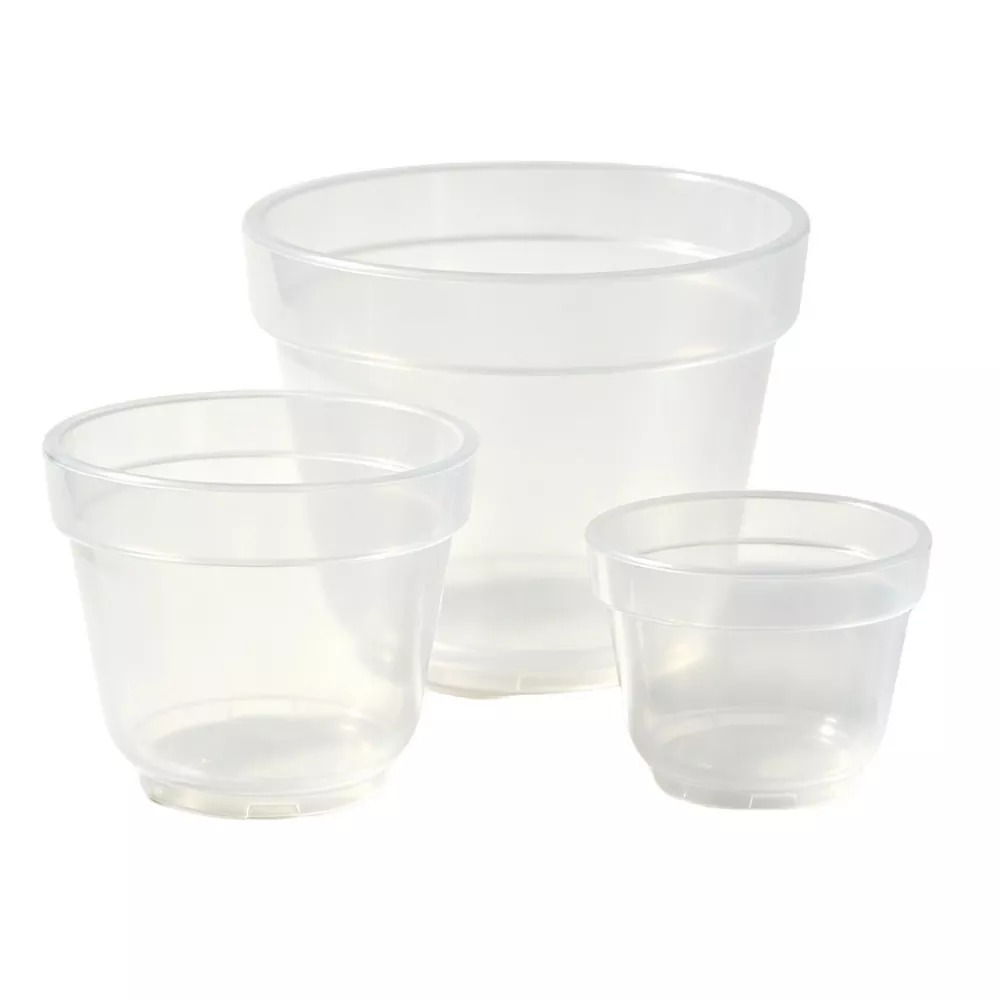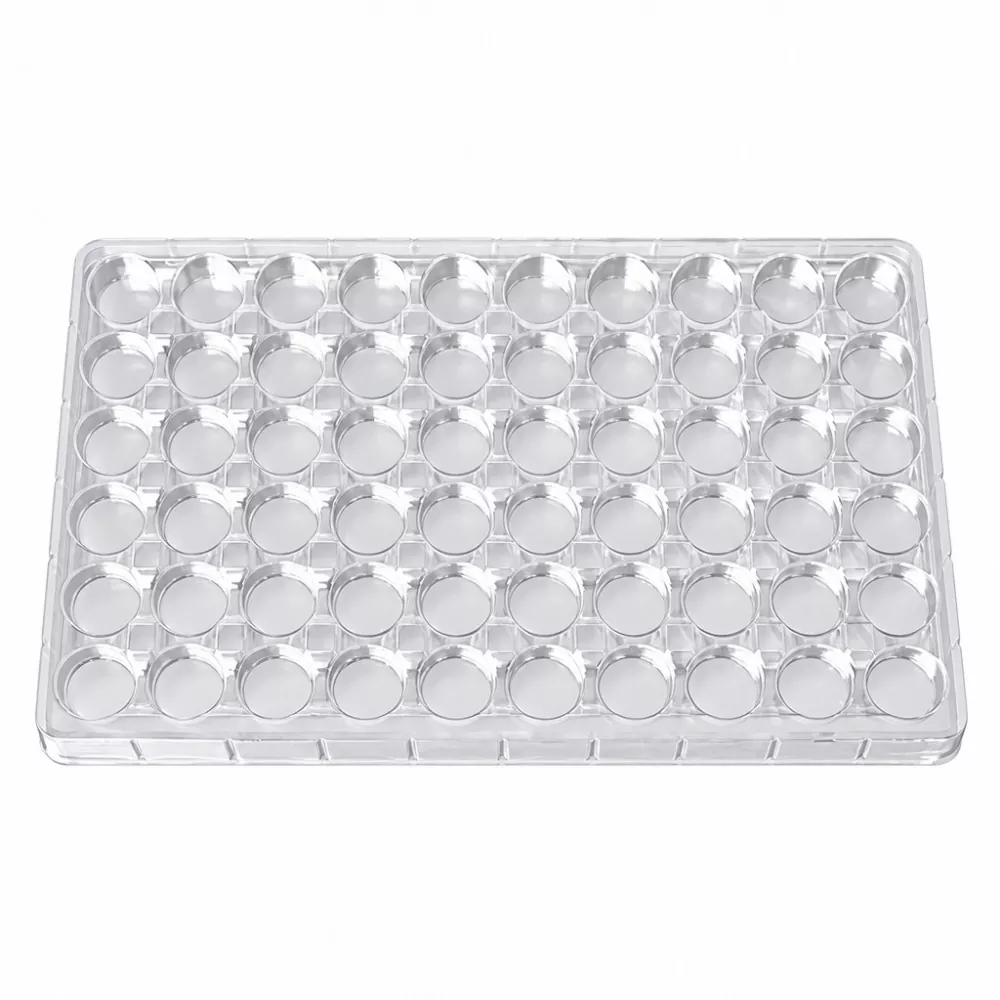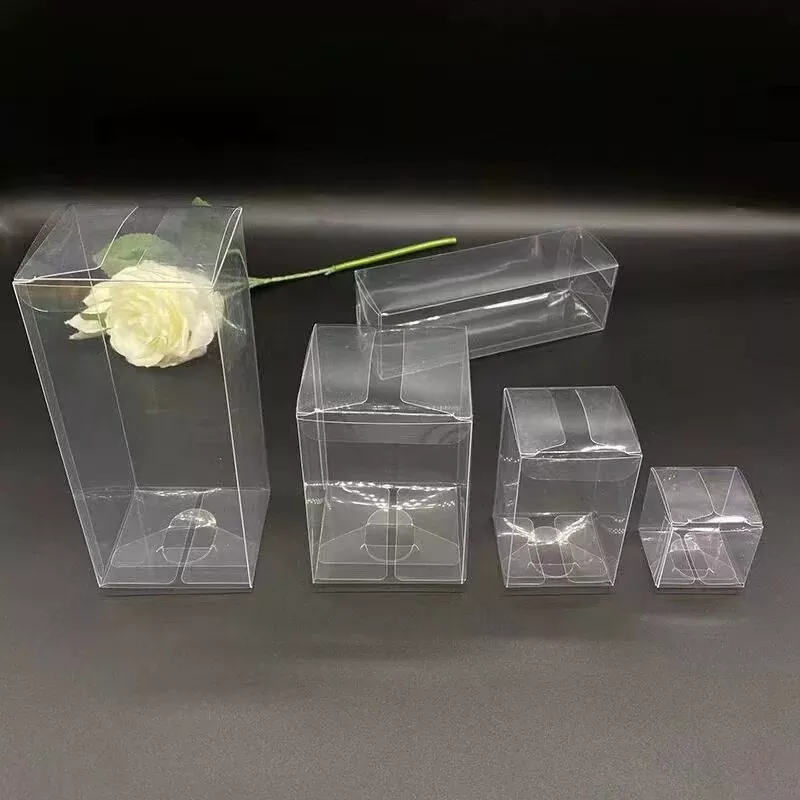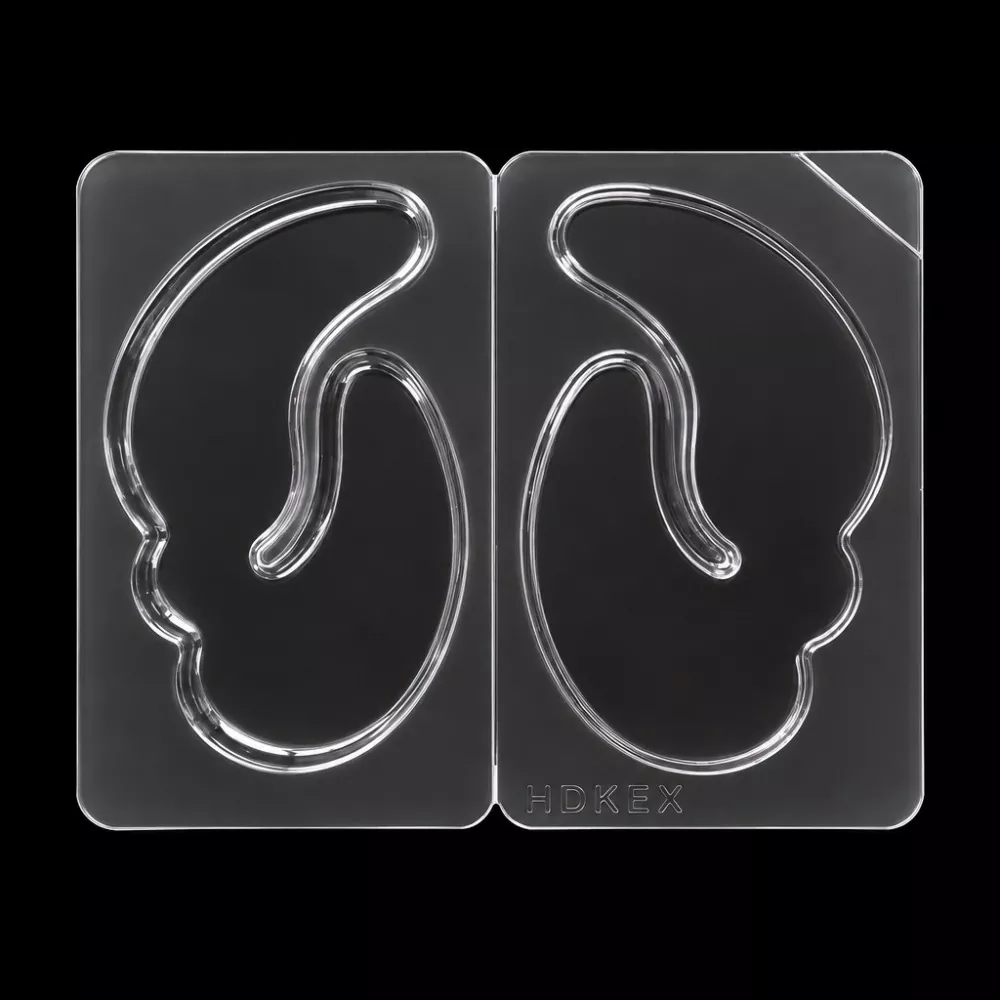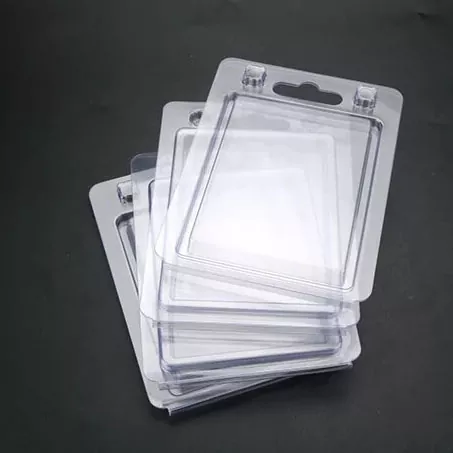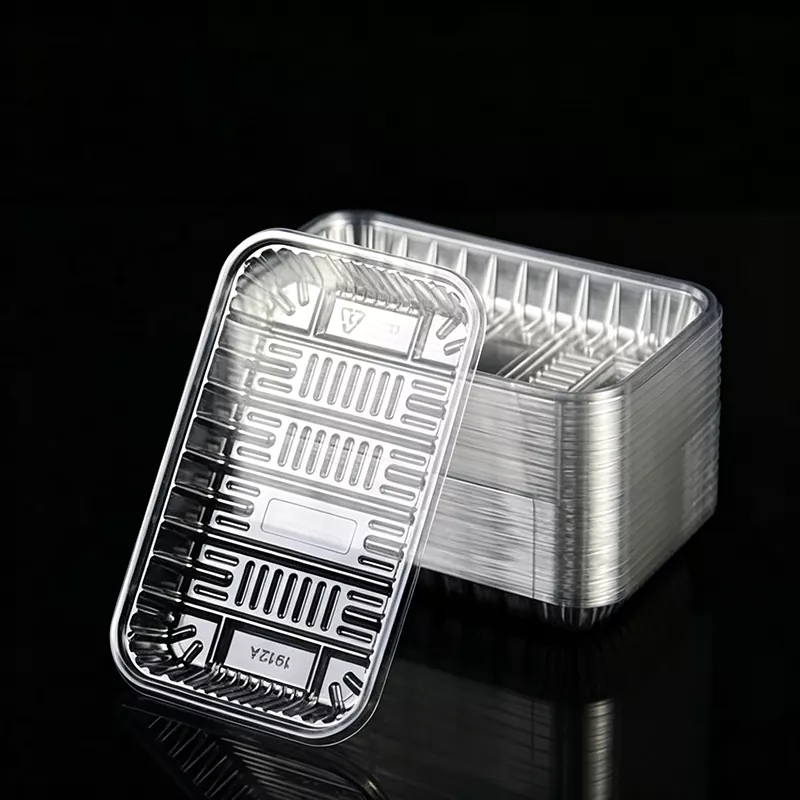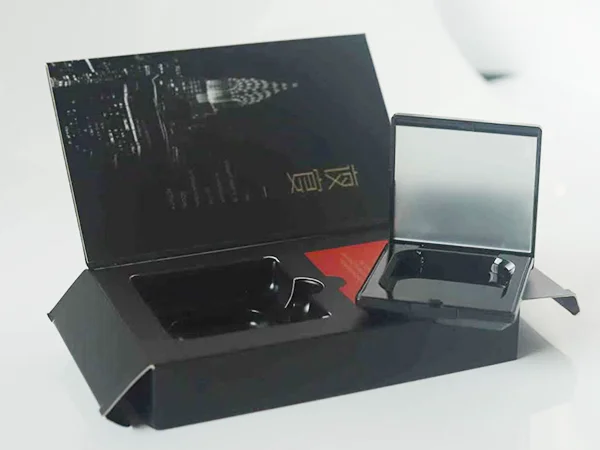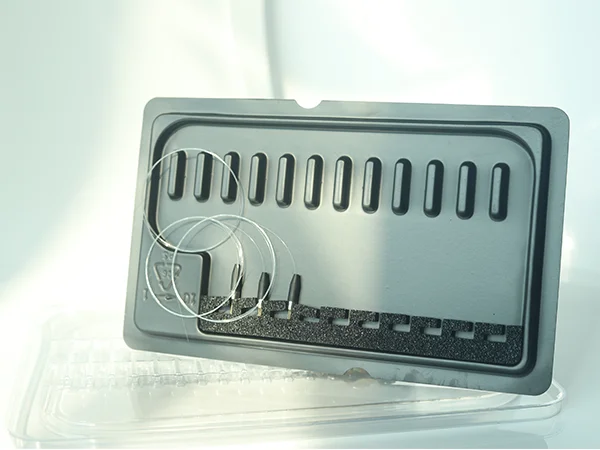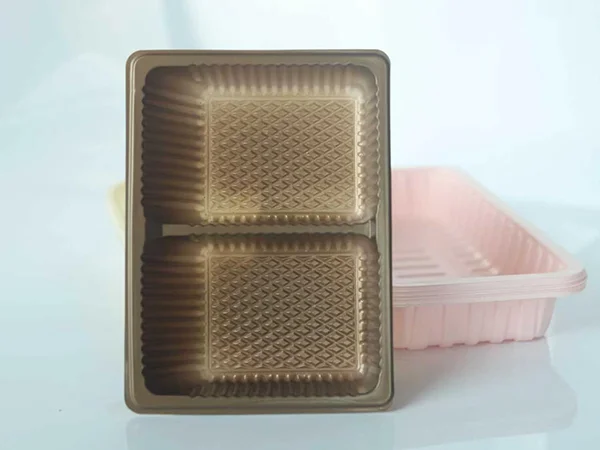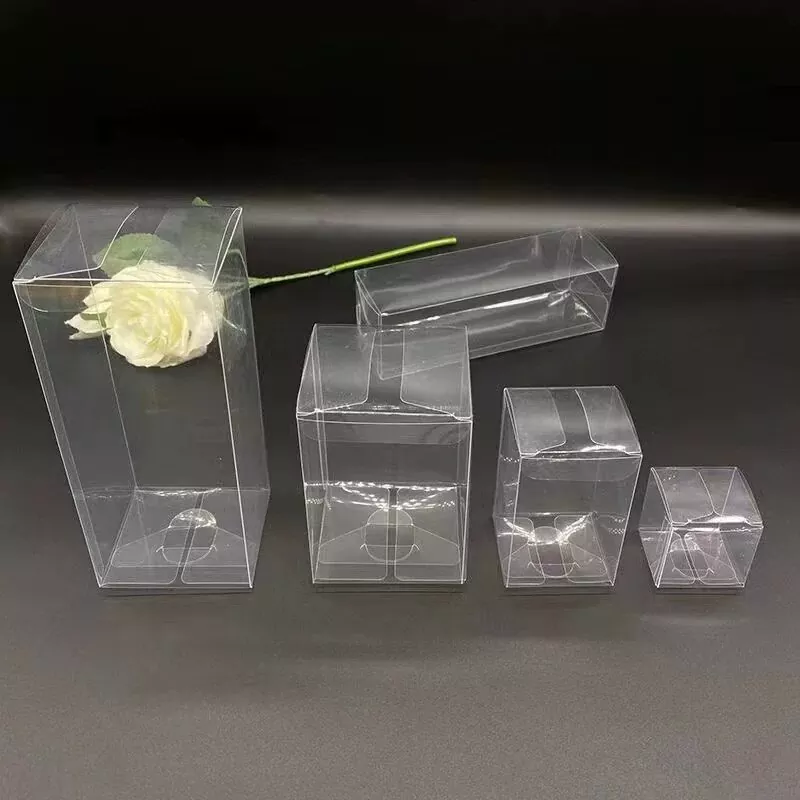

Cosmetic packaging has to perform several functions at the same time: protect the product, keep individual items organized, present the contents clearly and fit the structure of the outer package. A well-designed tray can create dedicated cavities for bottles, jars, tubes, lipstick cases and makeup components while helping maintain a clean visual arrangement. PET, PVC and PP provide different combinations of transparency, toughness, temperature resistance and appearance, allowing the tray structure to be matched to the cosmetic product and packaging concept. Thermoformed construction is particularly useful when the design includes different cavity depths, irregular product shapes or several items arranged in one gift set. Custom dimensions, cavity layouts, surface finishes, colors and selected branding details can also connect the inner tray with the overall packaging design. The result is not merely an insert that fills empty space, but a carefully defined component that contributes to product protection, organization and visual presentation.
Table of Contents
Click any section below to jump directly to the topic you need.
- 01. What Role Does a Cosmetic Tray Play?
- 02. Which Cosmetic Products Need Dedicated Cavities?
- 03. Which Material Fits the Packaging Requirement?
- 04. How Should Cavity Structure and Depth Be Designed?
- 05. How Do Surface and Color Affect Product Presentation?
- 06. What Is the Custom Development Process?
- 07. Where Are Customized Cosmetic Trays Used?
- 08. What Should Be Checked Before Production?
- 09. How Can Different Tray Designs Be Compared?
- 10. Frequently Asked Questions
What Role Does a Cosmetic Tray Play?
A cosmetic insert is often treated as a secondary packaging element, yet its geometry directly affects how the product sits inside the box, how it looks when opened and how consistently different items remain positioned during handling. The inner tray has to work with the bottle, tube, jar or compact rather than simply occupying unused space.
This becomes more important when a package contains products with noticeably different dimensions. A skincare collection may combine a tall serum bottle, a shorter cream jar and a narrow tube. A makeup set may include a palette, lipstick, small applicator and additional cosmetic accessories. If all of those products share the same package, the interior structure needs to create a clear arrangement without excessive movement.
The tray also interacts with the outer packaging. Its perimeter should fit the inside dimensions of the carton or display structure, while the cavity layout needs to preserve adequate space around each item. When the inner and outer package are designed independently, unnecessary gaps, excessive pressure or poor alignment can appear.
Product Positioning
Dedicated cavities keep individual cosmetic products in defined locations. This is useful for packages containing multiple items or products with narrow or unstable shapes.
Visual Presentation
Transparent, frosted, colored or flocked structures can influence how the contents are seen when the packaging is opened or displayed.
Package Integration
Overall dimensions, cavity placement and tray height should correspond with the dimensions of the outer box or display structure.
Product Protection
A correctly shaped cavity can help reduce unwanted movement and contact between products inside the package during normal handling.
The most effective tray design begins with the dimensions, shape and handling conditions of the cosmetic product, then translates those requirements into a controlled interior structure.
For beauty packaging, the tray therefore works as a combination of positioning structure and presentation element. The balance between these two roles depends on whether the package is intended for a single product, a coordinated product collection, a retail presentation or a gift-oriented arrangement.
Which Cosmetic Products Need Dedicated Cavities?
Different cosmetic products create different packaging challenges. Bottle diameter, product height, cap shape, base geometry and the number of pieces in one package all affect the cavity design. A universal rectangular insert may not provide the control required by a product-specific package.
Skincare Bottles and Jars
Skincare packaging often combines products with different silhouettes. Serum bottles may be narrow and relatively tall, while cream jars can be wider and lower. Lotion bottles may include pumps, curved shoulders or larger caps that must be considered when determining the cavity opening.
The cavity can be shaped around the base of each package so that the product remains centered without requiring a large amount of unused interior space. Depth should also be evaluated in relation to the product's center of gravity and the way the package will be opened by the user.
Hand Cream Tubes
Hand cream tubes are generally flexible compared with rigid cosmetic bottles, but they can still shift when several products are packed together. Individual recesses can create a more organized arrangement and help separate each tube from neighboring products.
Lipstick Products
Lipstick cases can be narrow and relatively tall, making stable positioning important. A dedicated cavity allows each tube to remain in a defined orientation. For transparent packaging, the cavity can also make the product immediately visible without removing it from the package.
Makeup Collections
Makeup sets often combine products with unrelated dimensions. One package may contain a compact, several lipstick tubes, a small pencil and an applicator. The interior therefore benefits from a layout designed specifically around the collection rather than around one standard cavity size.
Cosmetic Gift Sets
Gift sets place particular emphasis on arrangement. Multiple products need to appear intentional when the box is opened, and the interior should support a clear hierarchy. Larger items can occupy the dominant areas of the tray while smaller accessories can be positioned in dedicated secondary cavities.
- Skincare sets: accommodate bottles, tubes and jars with different heights and base diameters.
- Lipstick packaging: maintain individual positioning for narrow cosmetic containers.
- Makeup sets: organize multiple products with different dimensions within one package.
- Hand cream packaging: keep tubes arranged consistently inside multi-product packs.
- Gift sets: create a coordinated interior layout for several cosmetic products.
Which Material Fits the Packaging Requirement?
The material influences transparency, rigidity, toughness, temperature behavior, appearance and forming performance. For that reason, the material decision should be based on the cosmetic product, cavity geometry and packaging environment instead of being made only from the desired visual effect.
PET, PVC and PP are common choices for customized thermoformed cosmetic packaging, but each material offers a different balance of properties. The most appropriate option depends on the tray structure and the role the tray is expected to perform inside the package.
| Material | Key Characteristics | Typical Packaging Role | Selection Focus |
|---|---|---|---|
| PET | High transparency and a clean appearance. | Visible product presentation, clear cosmetic packaging and display-oriented inserts. | Product visibility, appearance and required tray geometry. |
| PVC | Good transparency and toughness. | General-purpose cosmetic trays where practical forming and appearance are required together. | Transparency, toughness and package design requirements. |
| PP | Good resistance to high and low temperatures with useful chemical resistance. | Packaging applications where temperature conditions require additional consideration. | Temperature exposure, product weight and structural needs. |
PET for High-Visibility Packaging
PET is useful when clear presentation is an important design objective. A transparent structure allows the cosmetic product to remain visible and can help create a clean visual relationship between the product and the surrounding package.
This is especially relevant when the packaging design uses the tray as part of the presentation rather than hiding the insert completely. Clear cavities can make the product positions easy to recognize and can support an uncluttered appearance.
PVC for Practical Cosmetic Packaging
PVC can provide a combination of transparency and toughness suitable for general cosmetic applications. It may be considered when the package requires clear product visibility while also needing a practical forming material for the planned tray geometry.
PP for Temperature-Variable Conditions
PP offers good resistance to both high and low temperatures and can be considered when the packaging environment involves wider temperature conditions. Other factors, including appearance, cavity shape and product weight, should still be reviewed before the material is selected.
Material choice can also influence how the finished tray feels in the hand. A clear rigid surface creates a different packaging experience from a colored or flocked contact surface. The material and surface treatment therefore form part of the same overall design decision.
How Should Cavity Structure and Depth Be Designed?
Cavity design is one of the most important engineering stages because it determines how the product is positioned inside the package. The cavity needs to hold the product securely enough for normal handling while still allowing the user to remove it without excessive force.
Match the Cavity to the Product Base
The base dimensions provide the starting point for a stable recess. Round jars, rectangular bottles and narrow tubes create different cavity shapes. A cavity should follow the useful contact area of the package rather than simply copying the visible outline without considering how the product actually sits.
Control Cavity Depth
Shallow cavities can be appropriate for products that are already stable or for packaging concepts where maximum visibility is desired. Deeper cavities may provide additional positioning for taller or less stable packages. The correct depth depends on the product geometry, package opening and intended handling conditions.
Allow for Removal and Handling
A tray that holds the product too tightly may create unnecessary difficulty during removal. A tray that is too loose may permit movement. The geometry should therefore create an intentional relationship between retention and accessibility.
Arrange Multiple Cavities as One System
Multi-product packaging requires more than drawing several individual cavities next to each other. The complete arrangement should consider wall spacing, product interaction, tray perimeter, package dimensions and visual balance.
The position of each cavity can also affect the apparent hierarchy of the cosmetic set. Larger or primary products may need more visual space, while small accessories can be placed around them. This can make the opening experience feel more organized without changing the products themselves.
- Base geometry: design the contact area around the actual shape of the cosmetic container.
- Cavity depth: balance product retention with easy access during package opening.
- Wall spacing: provide practical separation between neighboring cavities.
- Tray perimeter: match the outer dimensions with the internal package structure.
- Product hierarchy: arrange cavities according to product size, function and presentation priorities.
For customized development, product drawings, physical products and dimensional specifications can all provide useful geometry information. The goal is to create a cavity layout that reflects the actual package rather than relying on assumptions based on general cosmetic shapes.
How Do Surface and Color Affect Product Presentation?
Cosmetic packaging is highly visual, so the tray can influence the appearance of the entire package even when it is technically an internal component. Transparent, frosted, colored and flocked options create different visual effects and can be selected according to the outer package and product style.
Transparent Surfaces
Transparent trays allow the packaging audience to see both the product and the interior structure. This can be useful when the cosmetic container itself has a strong visual design and should remain clearly visible inside the package.
Clear construction can also help with orientation. When several products are placed together, users can identify the contents without moving the items around. This is particularly useful for sets containing several similarly sized cosmetic products.
Frosted and Colored Effects
Frosted surfaces reduce the visual sharpness of the plastic and can create a softer appearance. Colored trays can coordinate with the outer carton, brand palette or product collection without requiring the tray to remain visually neutral.
Flocked Contact Surfaces
Flocking adds a soft contact layer to selected tray structures. Besides changing the tactile experience, it can alter the visual character of the package and make individual product cavities appear more refined.
The usefulness of flocking depends on the product and packaging concept. It should be considered as part of the overall interior presentation rather than automatically added to every application.
Surface Finish and Brand Consistency
Surface finish becomes especially relevant when the tray remains partially visible after the outer box is opened. A well-coordinated finish can connect the inner structure with the carton, sleeve, display base or other packaging elements.
Clear
Supports strong product visibility and a clean, open visual effect.
Frosted
Creates a softer visual treatment while maintaining the basic formed structure.
Colored
Helps coordinate the tray with a broader packaging color system.
Flocked
Adds a softer contact surface and a distinct tactile and visual character.
Because cosmetics often rely on a carefully controlled presentation, appearance specifications should be established early rather than being treated as a final finishing detail after the structural design is complete.
What Is the Custom Development Process?
Customized packaging works best when product dimensions, tray geometry, material and the outer package are considered together. A clear development sequence helps prevent structural decisions from being made before the actual packaging requirements are understood.
- Define the product arrangement. Identify which cosmetic products will be packed together and determine their basic dimensions, shapes and orientation inside the package.
- Collect dimensional information. Drawings, physical products and dimensional specifications can provide the geometry required for cavity development.
- Determine the tray footprint. Establish the overall tray dimensions based on the internal dimensions of the carton, display structure or other outer package.
- Develop cavity positions. Arrange individual cavities according to product size, spacing, removal requirements and visual composition.
- Select the material direction. Compare PET, PVC and PP according to transparency, toughness, temperature behavior, appearance and structural requirements.
- Define appearance details. Confirm clear, frosted, colored or flocked options, along with surface finish and relevant logo requirements.
- Review the complete packaging system. Check the relationship between the tray, cosmetic products and outer structure before production specifications are finalized.
- Prepare customized production. Once the design and specifications are confirmed, production can be organized around the required tray dimensions, structure and quantity.
This sequence is useful because the most important decisions are connected. For example, changing a lipstick diameter can affect cavity size, which can then affect the spacing between neighboring cavities, which may finally change the complete tray footprint.
The same principle applies to outer packaging. If the carton dimensions change after the tray design is established, the perimeter and cavity arrangement may need to be adjusted. Coordinating both components early can reduce avoidable redesign.
Where Are Customized Cosmetic Trays Used?
Cosmetic inserts can be adapted to a wide range of beauty packaging formats. Their structure depends on whether the package contains one product or multiple products and whether the main objective is product organization, visual presentation, protection or a combination of all three.
- Skincare packaging: suitable for cream jars, lotion bottles, serum containers, facial-care tubes and coordinated skincare collections.
- Lipstick packaging: designed with individual cavities for lipstick tubes or combined lipstick sets.
- Makeup packaging: organized around palettes, compacts, tubes, pencils, applicators and other makeup products with varied shapes.
- Cosmetic gift sets: arranged with multiple product cavities in one tray to create a coordinated opening experience.
- Retail cosmetic packaging: developed for packaging that needs product visibility together with controlled positioning inside the outer package.
Skincare Collections
A skincare collection often has a recognizable family structure, but individual containers may differ significantly in height and diameter. A customized tray can create a consistent arrangement while allowing each product cavity to follow the dimensions of its container.
Makeup Gift Packaging
Makeup sets can be especially challenging because the collection may combine flat, cylindrical and irregular products. A multi-cavity structure can separate these items while maintaining a clear visual composition.
Premium Presentation Packaging
When the packaging is designed around an opening experience, the tray becomes part of that experience. Material clarity, cavity symmetry, surface finish and product alignment can all influence how the contents are perceived when the package is opened.
Private-Label and OEM Packaging
Customized production is useful when a cosmetic line has a distinct product shape or a packaging concept that cannot be accommodated by a standard insert. Dimensions, structure, color, cavity arrangement, surface finish and selected logo requirements can be coordinated with the private-label packaging design.
What Should Be Checked Before Production?
A tray can appear simple from the outside while containing many critical dimensions inside its structure. Before production, the design should be checked against both the cosmetic products and the outer package.
Overall Dimensions
Confirm the overall tray width, length and height together with the available internal space of the outer package. The tray should fit without unwanted compression or excessive movement.
Cavity Dimensions
Each cavity should correspond to the actual product dimensions. Diameter, width, length, height and local shape changes can all affect the fit.
Cavity Position
The location of each cavity matters when the package contains multiple products. Insufficient spacing can create contact, while excessive spacing can make the layout inefficient or visually unbalanced.
Product Removal
The tray should not only retain the cosmetic product but also allow practical removal. Finger access, product grip points and the depth of the cavity can influence the opening experience.
Surface Appearance
Visible areas should be reviewed for the intended clarity, color, texture and finish. When the tray is partly visible, the surface treatment needs to work with the surrounding package.
Production Feasibility
The final geometry should be compatible with the selected thermoforming process. Large depth changes, narrow openings, complex transitions and other challenging geometries may influence material distribution and forming behavior, so these details should be considered during design development.
| Check Point | Key Question | Potential Design Impact |
|---|---|---|
| Tray footprint | Does the overall tray fit the internal package dimensions? | Influences assembly, movement and compatibility with the outer package. |
| Cavity size | Does each recess match the actual product geometry? | Influences product retention and ease of removal. |
| Cavity spacing | Is there enough separation between neighboring products? | Helps reduce unwanted contact and improves visual arrangement. |
| Surface treatment | Does the finish suit the package appearance? | Influences the perceived consistency of the overall packaging design. |
| Forming geometry | Can the selected process reproduce the required shape consistently? | Influences manufacturability and dimensional consistency. |
The strongest quality checks are therefore not limited to the finished tray. They begin with the specification itself. When product dimensions, cavity positions and package interfaces are clearly defined, the resulting production process has a more reliable engineering basis.
For customized thermoformed packaging manufacturing information, visit Shunxin to review the available company and production background.
How Can Different Tray Designs Be Compared?
Comparing tray concepts is easier when each option is evaluated against the same set of functional and visual requirements. The purpose is not to choose a design based on appearance alone, but to understand how geometry, material and surface treatment interact.
A clear tray may provide strong product visibility, while a frosted structure may create a softer visual effect. A flocked contact surface can introduce a different tactile experience, whereas an uncoated surface may keep the construction visually simpler. None of these characteristics should be considered independently of the product and outer package.
| Design Factor | Option A | Option B | Primary Evaluation |
|---|---|---|---|
| Visibility | Clear | Frosted or colored | Determine whether direct product visibility or a softer visual treatment is more appropriate. |
| Contact surface | Standard formed surface | Flocked surface | Consider tactile feel, appearance and the product's contact requirements. |
| Cavity depth | Shallow | Deep | Balance product retention with accessibility and package height. |
| Product arrangement | Single-product cavity | Multi-product layout | Match the layout to the number and dimensions of products in the package. |
| Material direction | PET or PVC | PP | Compare transparency, toughness, temperature behavior and packaging requirements. |
Another important comparison factor is consistency between the inner and outer packaging. The tray may be technically functional, but if its dimensions, color or surface treatment conflict with the carton structure, the complete package may feel visually disconnected.
This is why customization should cover both engineering and appearance. A tray is more useful when its physical geometry and visual treatment have both been developed around the same cosmetic packaging concept.
In practical applications, the customized solution may include overall dimensions, cavity layout, cavity depth, tray shape, color, surface finish and logo placement. Production quantities can also be defined according to the structure and project requirements, with a stated reference MOQ of 50,000 pieces per size.
These factors are particularly important for OEM packaging because the tray may need to be developed alongside a carton, display structure or gift box. Coordinated dimensions reduce the risk of a mismatch between internal and external packaging elements.
When the design is complete, Cosmetic Blister Trays can provide a structured interior for skincare, lipstick, makeup, hand cream and gift-set packaging while supporting different requirements in transparency, toughness, temperature behavior and visual presentation.
Frequently Asked Questions
Q1. What materials are available for customized cosmetic trays?
Q2. Can the tray be customized for different cosmetic product shapes?
Q3. Can clear, frosted and colored tray designs be produced?
Q4. Can a flocked surface be added?
Q5. Can the tray include multiple cavities for one cosmetic set?
Q6. What information is needed for customized tray development?
Q7. Can OEM cosmetic packaging requirements be supported?
Q8. What is the reference MOQ for customized cosmetic trays?
Q9. Are these trays suitable for skincare and lipstick packaging?
Q10. Can the inner tray be coordinated with a gift box design?
Develop a Cosmetic Packaging Structure Around Your Products
A well-defined cosmetic tray starts with the products themselves. Bottle dimensions, jar diameters, tube profiles, lipstick shapes and multi-product arrangements all influence the final cavity layout. Material, transparency, color, surface finish and tray depth then complete the packaging specification.
For a customized packaging project, provide the available product dimensions, drawings, physical product information and outer package requirements so the tray structure can be evaluated around the actual application.
Contact us to discuss your customized cosmetic packaging requirements and tray structure.
Final design decisions should be confirmed according to product dimensions, packaging structure, material requirements and the intended production conditions.