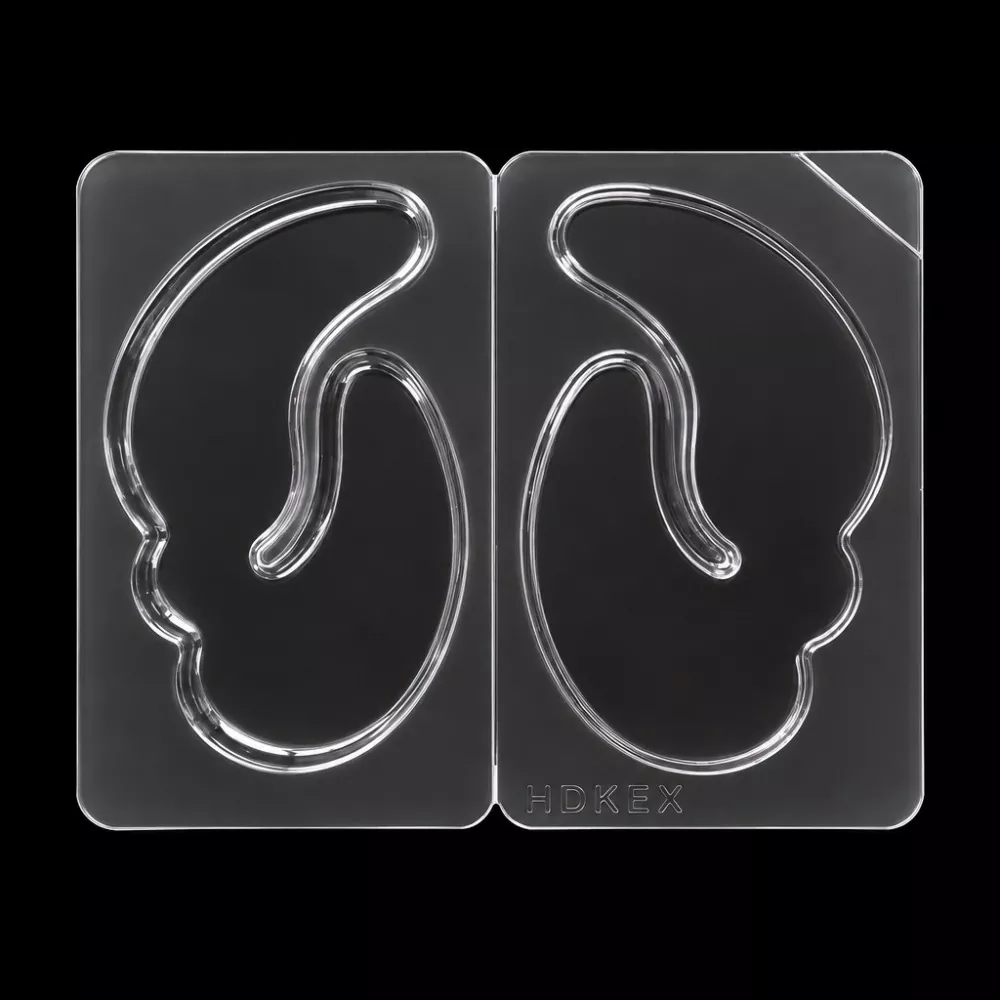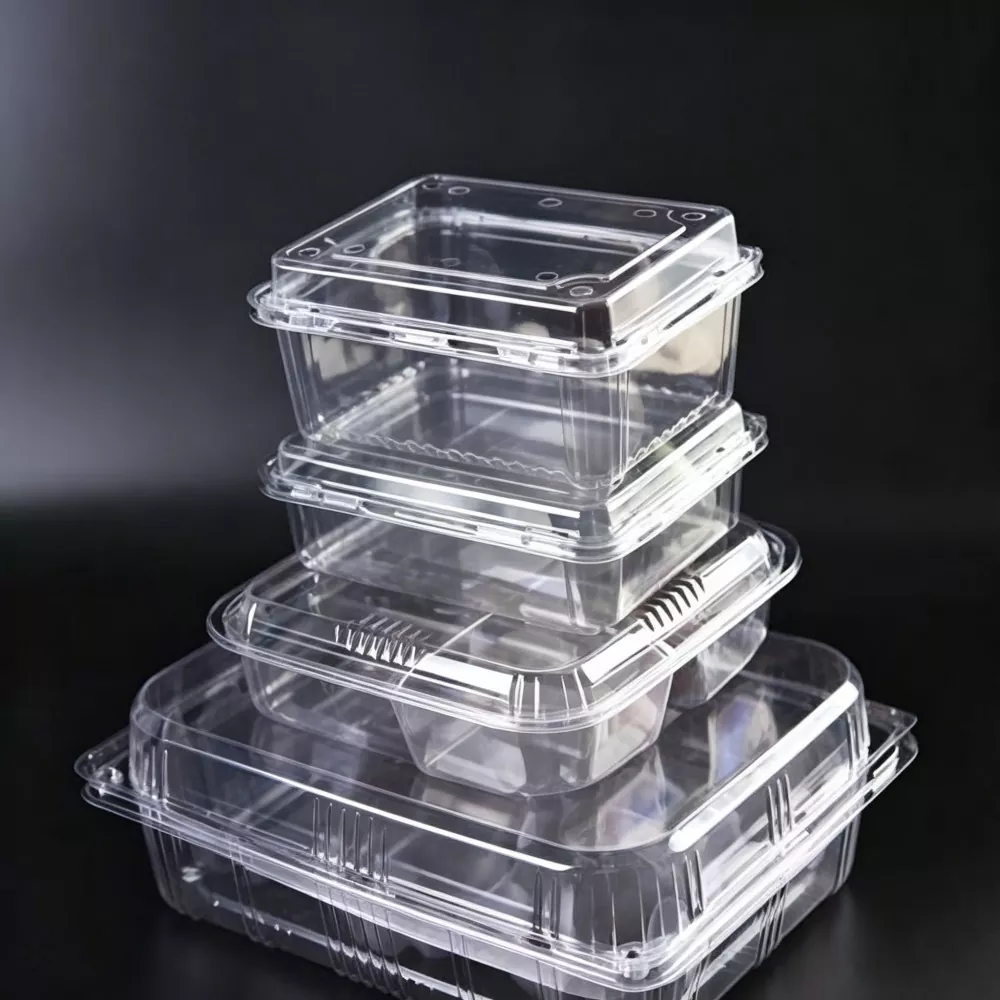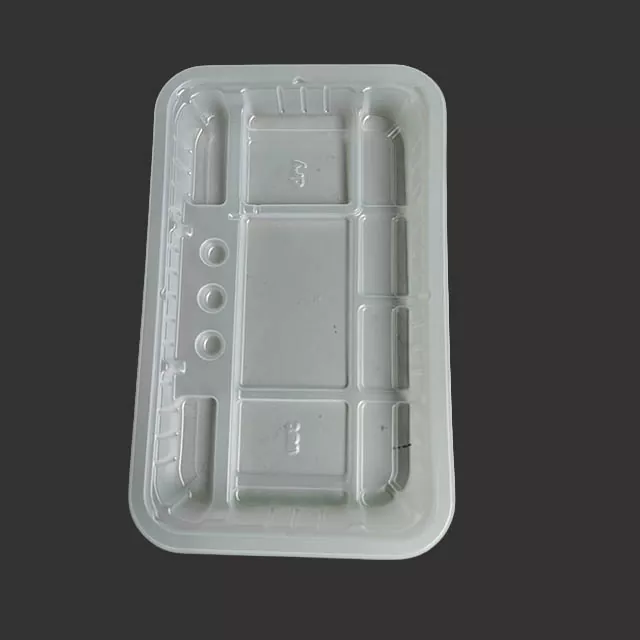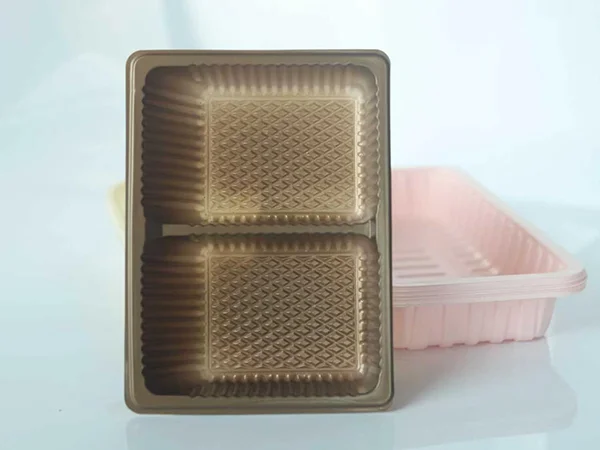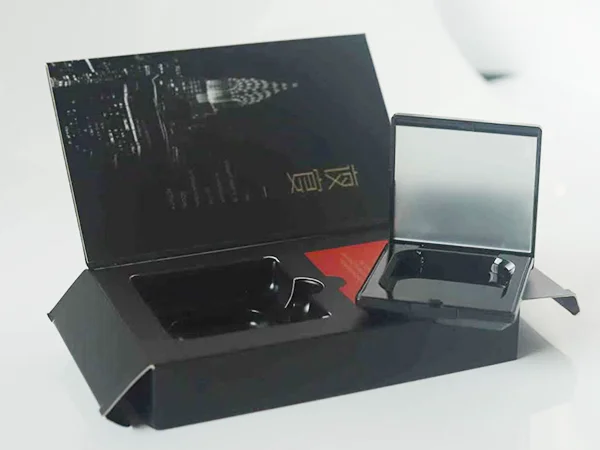
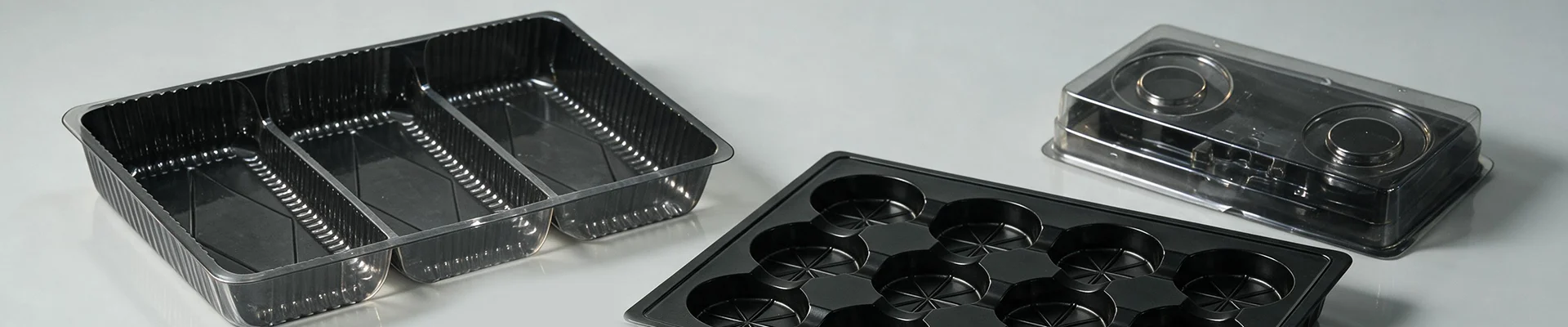
Shunxin factory's Medical-Grade Medical Blister Tray is made from PETG/APET/PVC sheets and formed through vacuum thermoforming. PETG is an amorphous copolyester with strong impact resistance. It does not easily become whitish or develop cracks during thermoforming and offers excellent heat-sealing performance; APET is an environmentally friendly material with a lower cost and is suitable for medium- and low-risk medical devices; PVC is a conventional medical packaging material with good cost-effectiveness.
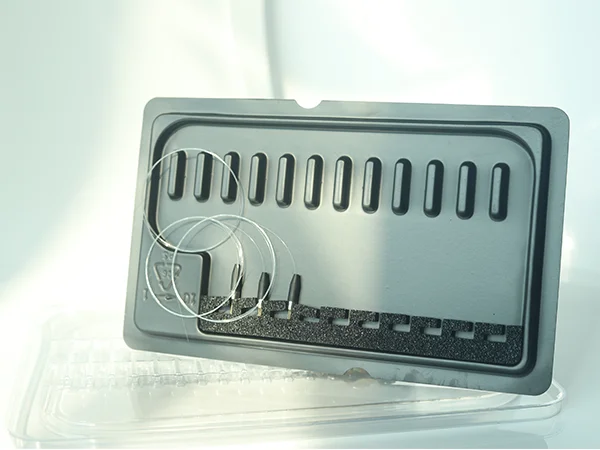
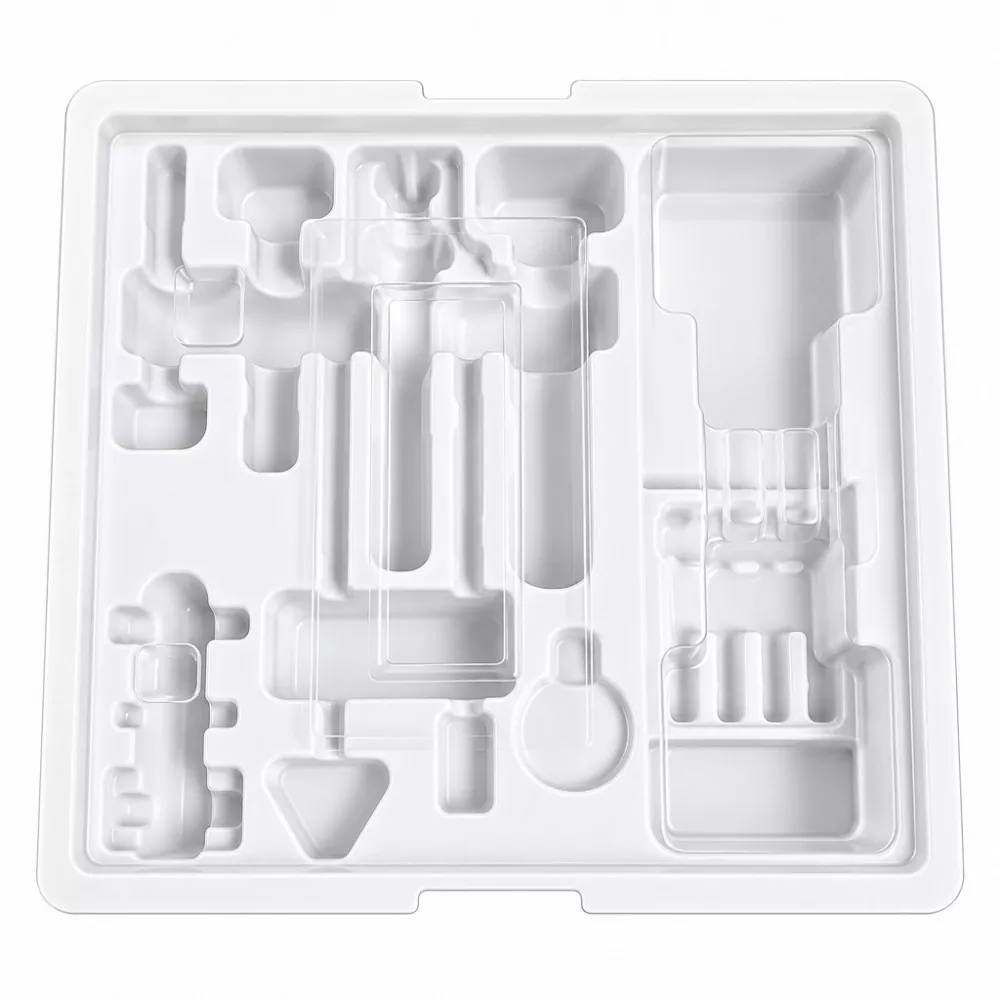
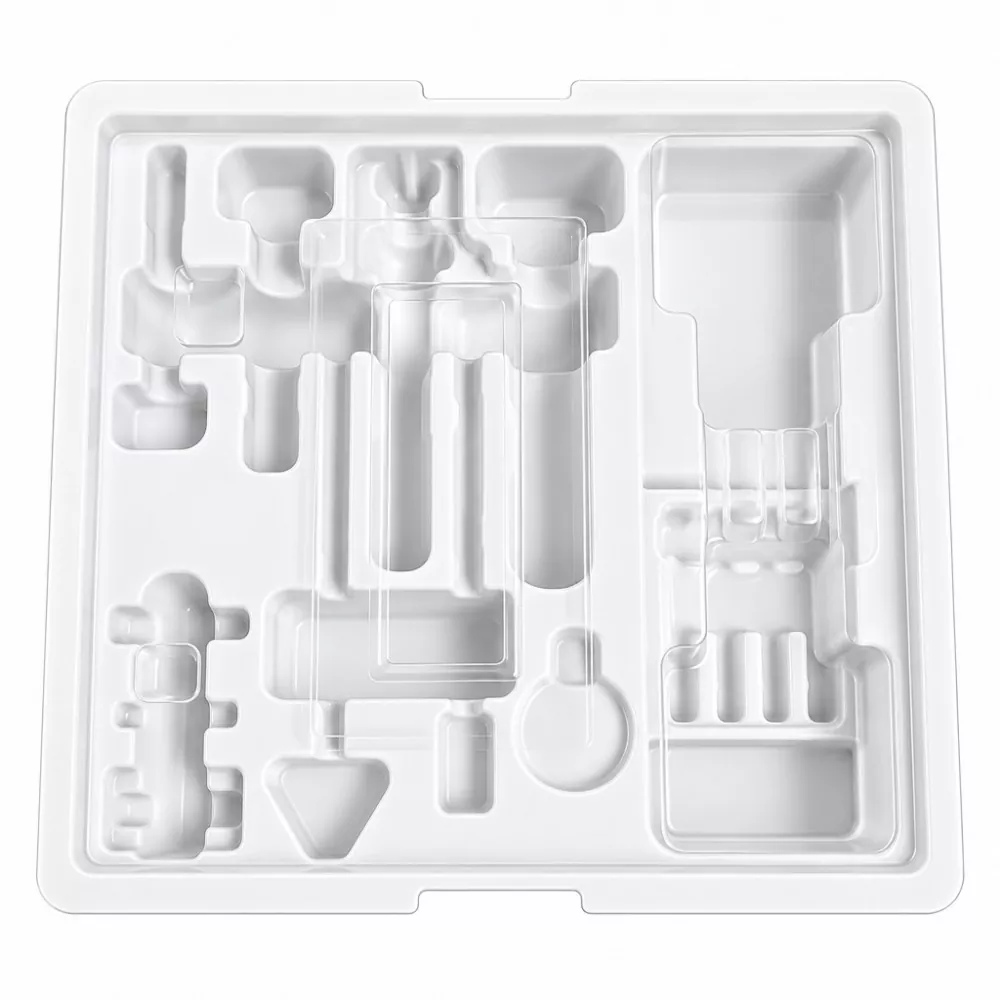
The tray can be molded according to 3D drawings or physical samples of the medical devices. The contoured grooves closely fit the device contours to provide precise positioning and prevent movement. For sharp instruments such as surgical scissors and puncture needles, relief structures can be incorporated into the grooves to prevent force from being applied to the tips. A sealing platform is provided around the edge of the tray, with a flat and smooth surface that can be heat-sealed with medical-grade lid materials to form a complete sterile package. Welcome to discuss your specific requirements.
The core value of a Medical-Grade Medical Blister Tray is to form a sterile barrier—the sealing platform around the tray edge is heat-sealed with the lid material to enclose the medical device in a sealed environment, maintaining sterility during transportation and storage. The packaging system needs to provide bacterial barrier performance and seal integrity. It is suitable for medical devices such as syringes, implants, and surgical instruments that have strict sterile protection requirements.
Customized contoured grooves are molded according to the shape of the medical device to secure the device in place and prevent movement or collision during transportation. Relief structures are provided for sharp instruments such as surgical scissors and puncture needles, keeping the tips suspended and preventing direct contact. It is suitable for surgical instruments, precision medical consumables, and other applications requiring secure positioning and protection.
PETG offers strong impact resistance and excellent heat-sealing performance; APET provides a lower-cost option.
Surgical Instrument Trays: Positioning and securing trays for surgical instruments such as forceps, scissors, and tweezers
Implant Packaging: Primary packaging for implantable medical devices such as bone screws, bone plates, and artificial joints
Diagnostic Device Packaging: Packaging for test kits, samplers, diagnostic tools, and other products
Selection Confirmation – Provide 3D drawings or physical samples of the medical device and confirm the material, sheet thickness, and tray dimensions.
Appearance Inspection – Unpack in a clean environment and check the tray for damage, contamination, deformation, burrs, or other abnormalities.
Device Placement – Carefully place the device into the corresponding contoured positioning cavity in the tray, ensuring a secure fit without extending beyond the tray edge.
Lid Heat Sealing – Cover the tray sealing platform with medical-grade lid material and complete the sealing process using heat-sealing equipment.
Sterilization – Carry out EO, radiation, or steam sterilization according to the device requirements.
Packaging and Storage – After sterilization, inspect seal integrity and place qualified products into storage.
Storage Management – Store in a cool, dry environment and manage according to medical device storage requirements.
A: PETG offers strong impact resistance, excellent heat-sealing performance, and good thermoforming performance without whitening or cracking. It is suitable for Class III medical devices such as implants and surgical instruments. APET has a lower cost and high transparency and is suitable for medium- and low-risk devices such as syringes and catheters. PETG is recommended for Class III devices and devices requiring EO sterilization.
A: Shunxin Medical-Grade Medical Blister Tray incorporates relief structures in the grooves for sharp instruments, keeping the tips elevated and preventing direct contact with the tray surface. The tray is precisely molded according to the shape of the medical device, and the device remains securely positioned after insertion, helping protect the instrument tips.
A: The sealing platform around the tray edge has a flat and smooth surface and can be heat-sealed with medical-grade lid materials to form a complete sterile barrier. After sealing, the medical device is maintained in a sterile environment during transportation and storage.
Address
No. 3 Jinfu Road, Pingnan Industrial Zone, Sanxiang Town, Zhongshan City, Guangdong Province, China.
Tel